

Discover 7 practical ways Indian families can save thousands of rupees in 2025 by cutting unnecessary expenses. Read true stories, tips, and FAQs for real-life savings now!
7 Things You Should Stop Buying to Save Money
Life in 2025 feels expensive whether sitting in a metro city or a small town. With rising costs and tempting online sales every day, it’s easy to wonder where all the hard-earned rupees go. Many families, like mine and countless others, have faced this same dilemma—until we decided to rethink our spending, item by item, to consciously save more. Here’s a guide inspired by real Indians making tough but smart decisions.
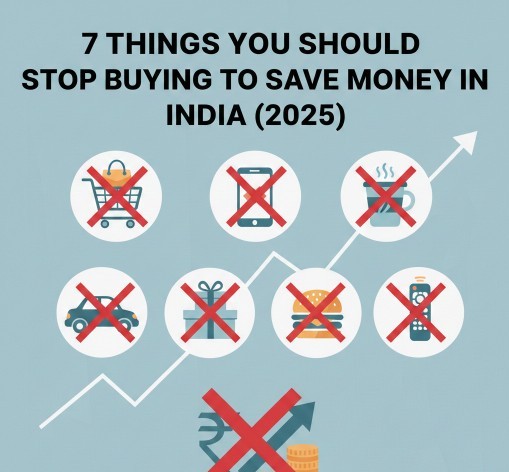
Table: How Much Can You Save Each Year?
| Item/Expense | Average Monthly Spend (₹) | Yearly Savings Potential (₹) | Major Benefits |
|---|---|---|---|
| Frequent Food Delivery | 1,500 | 18,000 | Healthier meals, closer family |
| Extra OTT Subscriptions | 800 | 9,600 | More family time, focused viewing |
| Latest Mobile Upgrades | 2,000 | 24,000 | Mindful tech use, less peer pressure |
| Fast Fashion/Trendy Clothing | 1,200 | 14,400 | Less clutter, sustainable living |
| Instant Grocery Delivery | 1,000 | 12,000 | Lower prices, fresher groceries |
| Packaged Drinks/Water | 600 | 7,200 | Better health, eco-friendliness |
| Unused Memberships | 500 | 6,000 | Zero wastage, lighter finances |
1. Frequent Food Delivery and Eating Out
Real Story: A Bangalore Working Couple Learns the Hard Way
Harish and Sneha, both IT professionals, would order dinner from Swiggy or Zomato at least 3 times a week. “We convinced ourselves that with busy jobs, food apps are our lifeline,” Sneha says. But when they checked their bank statement in May, ₹4,600 had gone just on online orders. That month, they made a pact—only one takeaway meal per week, rest from home-cooked food. Not only did they save nearly ₹2,500 that month, but they discovered new recipes together, improved their health, and brought back family mealtimes.
Tip: Reserve ordering out for special occasions, and try YouTube for quick, simple Indian meals. Planning weekly meals really works!
2. Extra OTT Subscriptions
Real Story: Less is More in Chennai
Priya from Chennai had Hotstar, Netflix, Amazon Prime, and Zee5—yet hardly found anything worthwhile to watch most days. “We’d just scroll endlessly! In July, I cancelled everything except one main platform. Our evenings are now for walks, board games, or homemade popcorn movie nights with just one app.” Her expenses dropped, attention improved, and the family reconnected.
Tip: Stick to a single streaming service at a time. Share family plans, and rotate if you want monthly variety.
3. Latest Mobile Upgrades
Real Story: Giving Up Gadget Greed
Amit, a college student from Pune, always chased the next mobile launch on Flipkart or Amazon. Eventually, his older cousin challenged him to use the same phone for two full years. “First, I thought it’s impossible. But honestly, my phone still worked fine, and I got over the urge. That single decision saved me almost ₹20,000 in two years.”
Tip: Wait 30 days after you feel the urge for a new gadget. The excitement usually passes, and you’ll save a bomb. If your phone breaks, try repairing instead of replacing.
4. Fast Fashion and Impulse Clothing
Real Story: Closet Awareness in Delhi
Tanya, a marketing manager, used to buy new outfits for every occasion. When her landlord increased the rent, she did a wardrobe clean-up—over 50% of her clothes had hardly been worn! Now, she shops twice a year and only for what she truly needs. “I donate or resell unused clothing, and focus on timeless styles. My room and my finances both feel lighter.”
Tip: Declutter your wardrobe with a friend. Sell old garments or donate, and set shopping days only twice a year.
5. Instant Grocery Delivery
Real Story: From Doors to Sabzi Mandi
Sunil, a father of two, noticed that his weekend “15-minute” grocery deliveries always included offers and extra snacks. He switched back to the local sabzi mandi for a month. “We paid less, got fresher produce, and the kids learned to bargain. Plus, shopping local helps our community.” Bonus: monthly spend dropped by nearly ₹900!
Tip: Visit your local market. Buy essentials in bulk, and stick to your grocery list.
6. Packaged Beverages and Bottled Water
Real Story: A Small Change with Big Results
Rohit, who commutes daily in Chennai, bought bottled cold drinks and packaged water every single day. After switching to a reusable bottle and making homemade lemonade, he realised the savings quickly: “By year-end, nearly ₹8,000 stayed in my pocket. My health improved too.”
Tip: Invest in a portable water filter and a good bottle. For get-togethers, make Indian drinks like buttermilk or aam panna instead of buying colas.
7. Unused Memberships & Subscriptions
Real Story: Digital Declutter in Mumbai
Rekha, a young professional, realised her credit card was being auto-charged for an old gym membership and a news app she never opened. She cancelled both after checking her UPI and card statements. “It didn’t feel like a lot each month, but added up to thousands every year!”
Tip: Review all subscriptions twice a year. Unsubscribe from services you haven’t used in the past 60 days.
FAQs on Saving Money in India
Q: Can stopping these purchases make a real difference?
Yes! Even small changes add up. Most Indian families spend more on habits than needs, so trimming these extras instantly creates savings for emergencies, travel, or investments.
Q: How can I shop smarter when sales are everywhere?
Write wishlists and wait at least 48 hours before purchasing. Often, the impulse passes. When you do buy, focus on quality over quantity and grab off-season discounts for bigger items.
Q: What about resisting peer pressure—especially for kids and teens?
Honest conversations help. Tell children why you’re cutting back, set fun family challenges (like a “no-delivery month”), and lead by example. Even teenagers can be convinced if saving helps buy something bigger together.
Q: Is it worth switching from online grocery to local markets?
Absolutely. You’ll avoid delivery markups, support local business, and often get fresher produce at lower costs.
Q: What if my family complains about fewer luxuries?
Start slow! Maybe cut down one item at a time—like one less streaming subscription or one less meal out per week. Encourage fun alternatives to keep everyone involved.
Final Thoughts: My Own Saving Challenge
Juggling a busy professional life, website management, and family, I once spent mindlessly on coffee, fast food, and OTT subscriptions. When I finally tracked every expense, the “leakages” shocked me. Making one small cut each week—home-brewed filter coffee, less frequent deliveries, unsubscribing from unused apps—brought instant relief. By the end of the year, I not only saved about ₹60,000, but enjoyed a less cluttered life.
Every Indian household can do this. Start with one habit, track the impact, and see how your savings grow. Remember, saving more is not about saying “no” to life; it’s about saying “yes” to bigger dreams and peace of mind.
Pick one thing above—just one—and give it a one-month challenge with your family. Share your story with others to inspire a wave of smarter, happier spending across India!
Disclaimer: This article is based on personal experience and is for educational purposes only. It does not constitute financial, investment, or legal advice. Readers are advised to do their own research or consult a qualified professional before making any financial decisions.