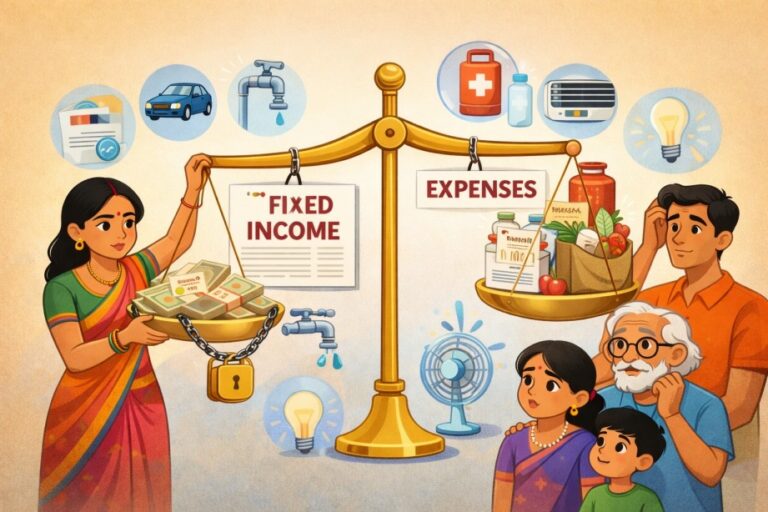

Discover top online shopping tricks to save money in 2025. Use abandoned cart discounts, combine coupons with sales, check cashback offers, and compare prices before buying for maximum savings.
Online shopping is convenient, quick, and fun. But without smart habits, it’s easy to overspend and miss out on great savings. The good news is, with a bit of planning and a few savvy tricks, anyone can shop online and save money like a pro.
Here are the best online shopping tricks you can start using today to keep more money in your wallet.

Best Online Shopping Tricks to Save Money in India (2025) | Smart Savings Tips
Online shopping has become a part of everyday life for many Indians. From groceries and electronics to clothes and household items, everything is now available on platforms like Amazon, Flipkart, Myntra, and other e-commerce websites.
The convenience is great—you can shop anytime, compare products, and get items delivered to your doorstep. However, online shopping also makes it easy to spend more than planned.
Many people believe they are saving money by buying items during sales, but sometimes those “discounts” encourage unnecessary purchases.
The good news is that with a few smart strategies, you can reduce online shopping expenses significantly while still enjoying the convenience of e-commerce.
In this guide, we will explore the best online shopping tricks for Indians in 2025, including how to find real discounts, use cashback offers, and avoid common spending mistakes.
💡 Personal Experience
A few years ago, I realised I was buying items online just because they were on sale. Once I started comparing prices and waiting for genuine deals, I noticed that my monthly shopping expenses dropped noticeably.
You can also explore practical saving money tips here:
https://savewithrupee.com/15-daily-money-hacks-to-save-₹10000-this-year/
Why Online Shopping Can Increase Expenses
Online shopping platforms are designed to encourage spending.
Common strategies used by e-commerce companies include:
- limited-time discounts
- flash sales
- recommended products
- free shipping thresholds
These tactics can create a feeling of urgency and lead to impulse buying.
For example, you may buy an extra item just to qualify for free delivery.
Understanding these marketing tricks helps you shop more wisely.
Key Benefits of Smart Online Shopping
Using smart shopping strategies offers several advantages.
1. Lower Monthly Expenses
You avoid unnecessary purchases and focus only on essential items.
2. Better Discounts
Using coupons and cashback offers reduces the final price.
3. Smarter Financial Habits
Planned shopping helps maintain a balanced budget.
4. Higher Value Purchases
You can buy better-quality products at lower prices.
Managing expenses is part of personal finance planning. Learn more here:
https://savewithrupee.com/7-steps-to-become-financially-independent/
Best Online Shopping Tricks to Save Money
1. Compare Prices Before Buying
Different websites often sell the same product at different prices.
Example:
| Platform | Product Price |
|---|---|
| Amazon | ₹2,999 |
| Flipkart | ₹2,699 |
| Myntra | ₹2,850 |
Checking multiple platforms can save hundreds of rupees.
2. Use Coupon Codes
Many websites provide coupon codes during checkout.
Common types include:
- flat ₹100 off
- 10–20% discount
- first-time user discounts
Always check for available coupons before completing the purchase.
3. Shop During Major Sale Events
E-commerce platforms offer huge discounts during special sales.
Examples include:
- Amazon Great Indian Festival
- Flipkart Big Billion Days
- Myntra End-of-Season Sale
These sales often provide 30–70% discounts on selected items.
4. Use Cashback Apps and Rewards
Cashback apps can help you save extra money.
Examples include:
- Paytm rewards
- PhonePe cashback
- credit card reward points
You can explore more cashback strategies in our guide on
https://savewithrupee.com/7-best-apps-to-earn-cashback-while-shopping/
5. Add Items to Wishlist and Wait
Instead of buying immediately, add items to your wishlist.
Often prices drop after a few days.
This simple trick helps avoid impulse purchases.
6. Avoid Flash Sale Pressure
Flash sales create urgency with messages like:
- “Only 3 items left”
- “Sale ends in 10 minutes”
But many deals return later with similar discounts.
Avoid rushing into purchases.
7. Use Bank Offers and EMI Discounts
During festive sales, many banks offer additional discounts.
Example:
| Bank Card | Extra Discount |
|---|---|
| HDFC | 10% instant discount |
| ICICI | ₹1,500 off on electronics |
| SBI | cashback on large purchases |
These offers can significantly reduce the price.
Comparison Table: Online vs Offline Shopping
| Feature | Online Shopping | Offline Shopping |
|---|---|---|
| Price comparison | Easy | Difficult |
| Discounts | Often higher | Moderate |
| Convenience | Very high | Moderate |
| Product testing | No | Yes |
| Delivery time | 1–7 days | Immediate |
Many smart shoppers combine both methods to get the best deals.
Real-Life Example: Saving Money with Smart Shopping
Priya wanted to buy a smartphone priced at ₹20,000.
Instead of buying immediately, she waited for a festive sale.
During the sale:
| Item | Price |
|---|---|
| Original price | ₹20,000 |
| Festive discount | ₹3,000 |
| Bank offer | ₹1,000 |
Final price: ₹16,000
She saved ₹4,000 simply by waiting for the right time.
Common Online Shopping Mistakes
1. Buying Because of Discounts
A 50% discount is not useful if the product is unnecessary.
2. Ignoring Shipping Costs
Some platforms add shipping charges at checkout.
3. Not Reading Reviews
Buying low-quality products leads to wasted money.
4. Shopping Late at Night
Many people make impulsive purchases during late-night browsing.
Expert Tips for Smart Online Shopping
Set a Monthly Shopping Budget
Decide how much you want to spend each month.
Use Price Tracking Tools
Some apps track price changes and alert you when prices drop.
Avoid Saving Card Details
This reduces impulsive purchases.
Plan Purchases in Advance
Planning purchases helps avoid unnecessary spending.
You can learn more about budgeting in our monthly budgeting guide:
https://savewithrupee.com/monthly-budget-plan-for-₹25000-salary-in-india/
Pros and Cons of Online Shopping
| Pros | Cons |
|---|---|
| Convenience | Encourages impulse buying |
| Large variety | Fake discounts sometimes |
| Easy price comparison | Return hassles |
| Frequent sales | Overspending risk |
Smart shopping habits help maximise benefits while avoiding the drawbacks.
Frequently Asked Questions
1. Is online shopping cheaper than offline shopping?
Often yes, especially during major sales.
2. How can I avoid impulse purchases online?
Adding items to a wishlist and waiting before buying helps control impulsive spending.
3. Are cashback apps reliable?
Most major apps are reliable, but always check terms and conditions.
4. Which sale offers the biggest discounts?
Festive sales such as Big Billion Days and Great Indian Festival usually offer the biggest deals.
5. Should I buy electronics during sales?
Yes. Electronics often receive the highest discounts during festive sales.
6. How can I control online shopping expenses?
Set a budget, compare prices, and avoid unnecessary purchases.
Conclusion
Online shopping offers convenience and access to a wide range of products, but it also increases the temptation to spend more.
By using smart strategies such as price comparison, coupon codes, cashback offers, and planned purchases, you can significantly reduce online shopping expenses.
The key is to focus on value rather than discounts.
A good deal is not just a lower price—it is buying something you truly need at the right time.
With a little discipline and planning, online shopping can become a smart money-saving tool instead of a financial burden.
References
- Investopedia – Smart Online Shopping Tips
https://www.investopedia.com/articles/personal-finance/040215/smart-online-shopping-tips.asp - Economic Times – E-commerce Growth and Consumer Spending in India
https://economictimes.indiatimes.com/industry/services/retail - Reserve Bank of India – Digital Payments and E-commerce Trends
https://www.rbi.org.in/Scripts/PublicationsView.aspx?id=20810 - Consumer Affairs India – Online Shopping Consumer Awareness
https://consumeraffairs.nic.in/consumer-awareness-programmes
Author Insight
In my own experience managing monthly expenses in India, I realized that the biggest financial problems were not due to low income, but due to lack of planning. For example, when my monthly income was around ₹25,000, I often ended up spending almost everything without saving anything at the end of the month.”
“I started tracking my expenses daily using a simple notebook. Within one month, I noticed that small, unnecessary expenses like frequent online orders and unplanned spending were taking a large portion of my income.”
“By making small changes—like setting a fixed budget for groceries, limiting online purchases, and saving at least ₹2,000 at the beginning of each month—I was able to reduce financial stress and slowly build better control over my money.” “These are simple and practical methods that any Indian household can follow without needing complex financial knowledge.”
Research Sources
- Reserve Bank of India – Financial Reports
- SEBI Investor Education
- Economic Times – Personal Finance
- Investopedia – Budgeting & Finance Basics
Disclaimer: This article is based on personal experience and is for educational purposes only. It does not constitute financial, investment, or legal advice. Readers are advised to do their own research or consult a qualified professional before making any financial decisions.