
Discover the best, easiest, and most practical part-time jobs for Indian college students in 2025. Real-life examples, step-by-step methods, tools, pros/cons, income range, and helpful internal links included.
last updated : 22-02-2026
Best Part-Time Jobs for College Students in India (2025 & 2026)
Earn While You Learn
College life in India is exciting—but it’s also expensive.
Between:
- Travel
- Food
- Notes & projects
- Personal expenses
- Online subscriptions
money disappears quickly.
In 2026, many Indian students are choosing to earn part-time—not because they have to, but because they want:
- Financial independence
- Real-world experience
- Confidence
The good news? You don’t need special connections or huge skills to start.
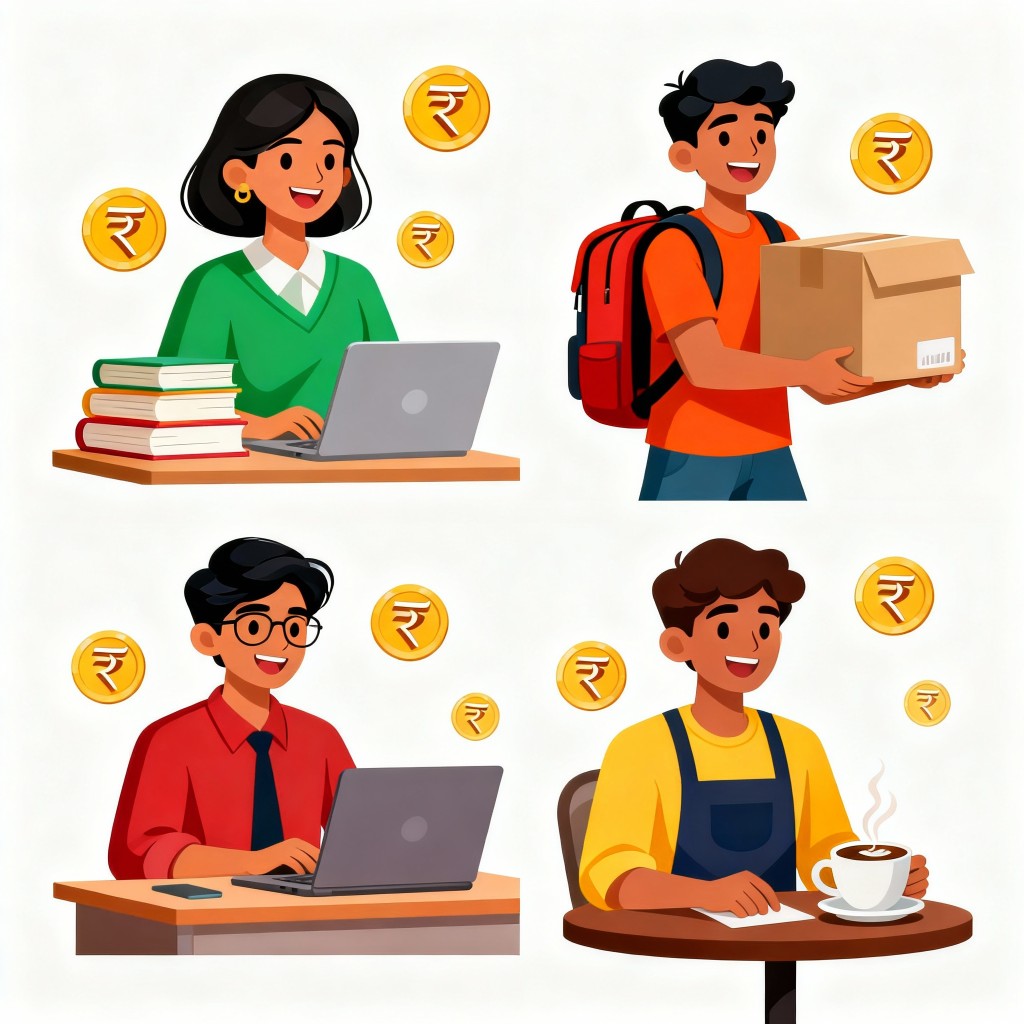
Here are realistic, practical, and safe part-time jobs that Indian college students can do without affecting academics.
1. Online Freelancing (Content, Design, Data Entry)
If you have basic skills in:
- Writing
- Graphic design
- Video editing
- Data entry
- Social media handling
you can earn part-time online.
Platforms allow students to:
- Work from hostel or home
- Choose flexible hours
- Get paid per project
Even beginners can start small and grow.
If you’re unsure how to begin, this practical guide on freelancing for beginners – no skills needed explains simple starting options.
2. Tuition & Home Teaching
One of the most trusted part-time jobs in India.
You can teach:
- School students (Maths, English, Science)
- Spoken English
- Competitive exam basics
Earnings:
- ₹2,000–₹8,000 per month (depending on hours)
Benefits:
- Improves communication
- Builds confidence
- Looks good on resume
No investment needed—just subject clarity.
3. Campus Ambassador Programs
Many startups and companies hire college students as campus ambassadors.
Your work:
- Promote events
- Share referral codes
- Spread awareness on campus
You earn through:
- Fixed stipend
- Incentives
- Performance bonuses
It’s flexible and improves networking skills.
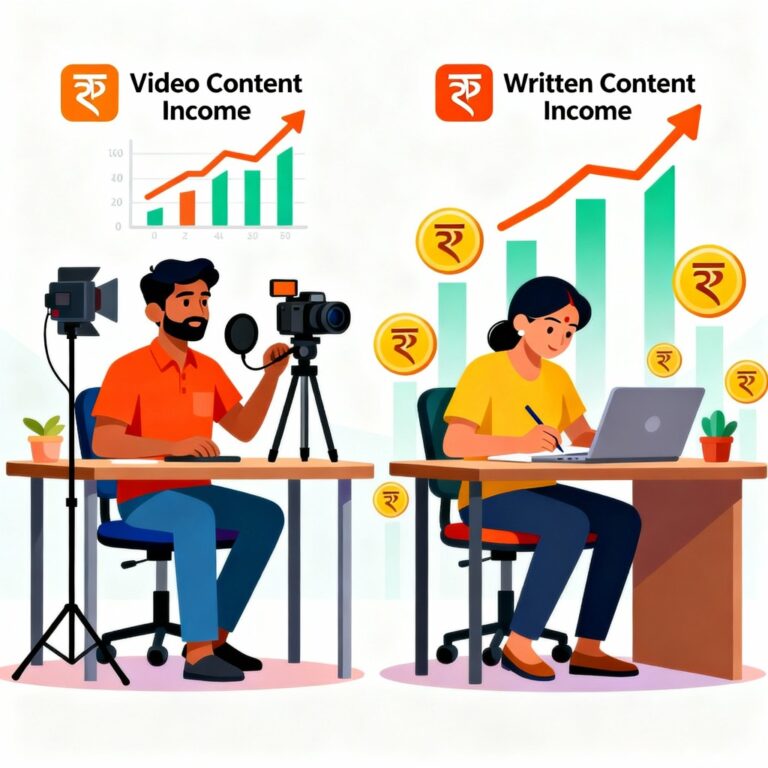
4. Content Creation (YouTube, Instagram, Blogging)
In 2026, content creation is no longer unrealistic.
Students create content about:
- College life
- Study tips
- Budget living
- Gaming
- Tech reviews
Income comes from:
- Ads
- Sponsorships
- Affiliate marketing
Blogging is slower but stable long-term. If you’re confused between platforms, this comparison of YouTube vs blogging – which earns more can help.
Important: This takes time. Don’t expect instant money.
5. Delivery & Part-Time Gig Jobs
For students comfortable with field work:
- Food delivery
- Grocery delivery
- Courier services
Flexible timing:
- Evenings
- Weekends
- Holidays
Earnings vary, but many students earn ₹6,000–₹12,000 monthly part-time.
Best suited for:
- Students in metro cities
- Those with two-wheelers
6. Online Surveys & Micro Tasks
These won’t make you rich—but they’re easy.
You can earn:
- Small payments for surveys
- App testing
- Micro tasks
Think of it as:
- Pocket money
- Recharge money
This article on online surveys for Indians – worth it or not explains realistic expectations.
7. Cashback & Referral Income
Students already:
- Recharge phones
- Order food
- Shop online
Using cashback apps smartly can generate small but consistent earnings.
Referral programs also pay if done ethically.
If used correctly, this can cover small monthly expenses, as explained in how to earn ₹500 daily with cashback reward apps.
8. Part-Time Office or Retail Jobs
Many students work:
- In retail stores
- In small offices
- At call centres
- At event management firms
These jobs:
- Provide fixed monthly income
- Teach workplace discipline
- Improve communication skills
Best suited for students in cities.
9. Selling Handmade or Digital Products
If you’re creative, you can sell:
- Handmade crafts
- Art
- Digital templates
- Notes or study material
Platforms allow easy selling without high cost.
Income may start small but grows with consistency.
10. Skill-Based Online Work (Coding, Editing, AI Tools)
Students with:
- Coding skills
- Video editing skills
- AI tool knowledge
- Excel proficiency
are in high demand.
Short-term projects can pay well compared to basic gigs.
If you’re unsure which skills pay in 2026, this guide on top digital skills that pay in 2025 still applies strongly in 2026.
How Much Can Students Realistically Earn?
Part-time earnings depend on effort and hours.
Rough estimate:
- 2–3 hours daily → ₹5,000–₹15,000 per month
- Weekends only → ₹3,000–₹8,000 per month
Don’t aim for huge numbers initially.
Focus on consistency.
What Students Should Avoid
- Jobs that ask for registration fees
- “Guaranteed ₹50,000 monthly” promises
- Fake online investment schemes
- Sharing OTPs or personal bank details
Always verify before joining.
How to Balance Studies & Work
Earning should not damage academics.
Follow simple rules:
- Fix working hours
- Don’t work during exam weeks
- Prioritise attendance
- Avoid night shifts if affecting health
Part-time income should support your future—not hurt it.
Smart Way to Use Your Earnings
Instead of spending everything:
- Save 30–40%
- Invest small amount (even ₹500 SIP)
- Keep emergency buffer
Even students can start early investing habits.
FAQs
1. Can college students really earn part-time in India?
Yes. Thousands of students earn part-time without affecting studies.
2. How many hours should I work daily?
2–3 hours is safe during regular semesters.
3. Is freelancing better than delivery jobs?
Depends on your skills and location.
4. Do I need investment to start?
Most student jobs need little or no investment.
5. Should I inform my parents?
Yes. Transparency builds trust and support.
Final Thoughts
In 2026, earning while studying is not unusual—it’s smart.
Part-time jobs:
- Build confidence
- Reduce financial pressure
- Teach responsibility
- Improve employability
You don’t need to become rich in college.
You just need to become independent and disciplined.
Earn wisely.
Learn continuously.
And build habits that will help you long after graduation.
Author Insight
In my own experience managing monthly expenses in India, I realized that the biggest financial problems were not due to low income, but due to lack of planning. For example, when my monthly income was around ₹25,000, I often ended up spending almost everything without saving anything at the end of the month.”
“I started tracking my expenses daily using a simple notebook. Within one month, I noticed that small, unnecessary expenses like frequent online orders and unplanned spending were taking a large portion of my income.”
“By making small changes—like setting a fixed budget for groceries, limiting online purchases, and saving at least ₹2,000 at the beginning of each month—I was able to reduce financial stress and slowly build better control over my money.” “These are simple and practical methods that any Indian household can follow without needing complex financial knowledge.”
Research Sources
- Reserve Bank of India – Financial Reports
- SEBI Investor Education
- Economic Times – Personal Finance
- Investopedia – Budgeting & Finance Basics
Disclaimer: This article is based on personal experience and is for educational purposes only. It does not constitute financial, investment, or legal advice. Readers are advised to do their own research or consult a qualified professional before making any financial decisions.