

Want to build wealth slowly but surely in India? This simple 2025 & 2026 guide explains habits, strategies, savings plans, SIP tips, real stories, mistakes to avoid, and internal links for deeper learning.
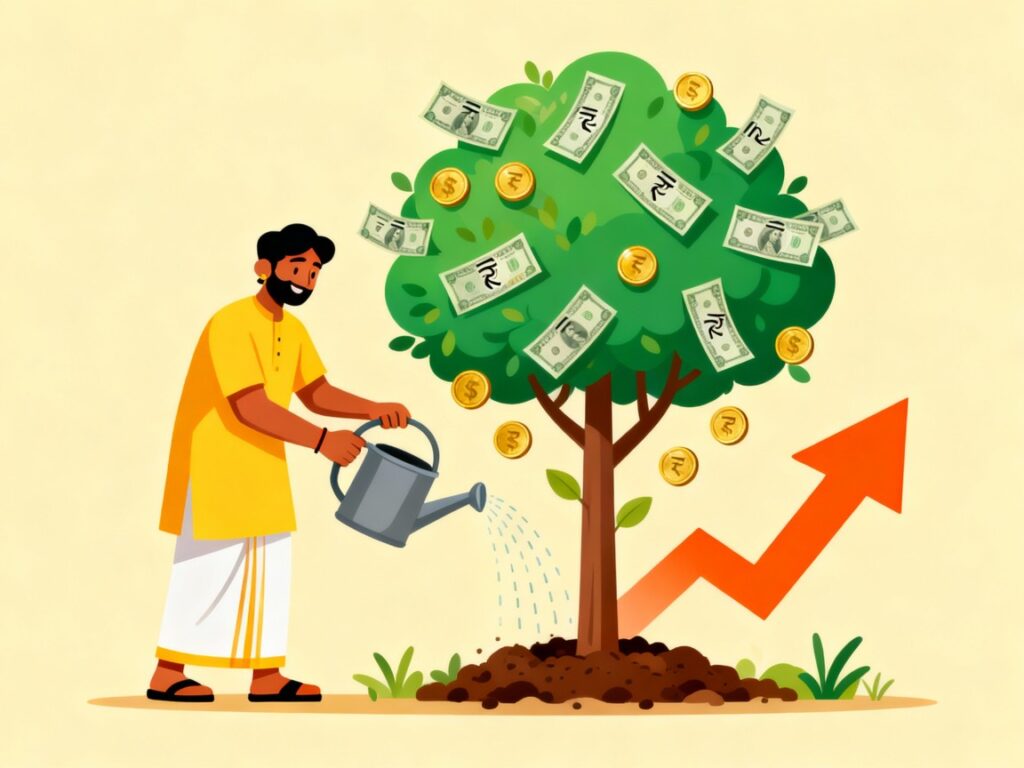
How to Build Wealth Slowly in India
Smart, Proven Steps for 2025 (That Actually Work)
In India, most people want to build wealth — but very few are patient enough to do it slowly.
We are surrounded by stories of:
- Overnight success
- Stock market shortcuts
- Crypto hype
- “Double money” schemes
But if you look closely at real wealthy Indians — teachers, government employees, small business owners, disciplined professionals — you’ll notice something common.
They didn’t get rich fast.
They got rich steadily.
In 2025, when inflation is high and income growth is uncertain, slow wealth building is not boring — it’s smart and sustainable.
This guide is for ordinary Indians who want financial security without stress, fear, or gambling.
What “Building Wealth Slowly” Really Means
Building wealth slowly does not mean:
- Living a poor life
- Avoiding enjoyment
- Saving every rupee
It means:
- Making consistent financial decisions
- Avoiding big mistakes
- Letting time and discipline work for you
Slow wealth building focuses on process, not shortcuts.
Why Slow Wealth Building Works Best in India
India’s reality is different from Western countries.
Most Indians:
- Support families
- Face medical and education expenses
- Don’t have social security
That’s why wealth built slowly:
- Survives emergencies
- Doesn’t collapse during job loss
- Reduces mental stress
Fast money disappears fast.
Slow money stays.
Step 1: Control Your Spending Before Trying to Invest
Many people jump into investing while their expenses are uncontrolled.
That’s like filling water in a leaking bucket.
Before thinking about wealth:
- Track where money goes
- Fix daily leaks
- Create a simple budget
This habit alone changes everything, as shown in how I manage my own monthly budget in India with real numbers.
Without expense control, no investment strategy works.
Step 2: Build an Emergency Fund First (Non-Negotiable)
Before investing a single rupee in markets, build safety.
Emergency fund means:
- 3 to 6 months of expenses
- Kept in savings, FD, or liquid funds
This protects you from:
- Job loss
- Medical emergencies
- Sudden family needs
People who skip this step often break investments under pressure.
This guide on emergency fund – how much an Indian household should keep explains it simply.
Step 3: Start Investing Early, Even with Small Amounts
You don’t need big income to start building wealth.
You need early action.
Even:
- ₹500
- ₹1,000
- ₹2,000
invested regularly matters over time.
The earlier you start, the more time works for you.
If you’re new to investing, this beginner-friendly guide on SIP for beginners – start with ₹500 explains how normal Indians begin.
Step 4: Use SIPs as the Backbone of Wealth
For most Indians, SIPs are the safest long-term wealth tool.
Why SIPs work:
- No need to time the market
- Automatic discipline
- Works with salary cycles
- Reduces emotional decisions
SIPs reward patience, not intelligence.
Over 10–20 years, consistency beats talent.
Step 5: Avoid Lifestyle Inflation as Income Grows
This is where most people fail.
Salary increases → lifestyle upgrades → no savings growth.
Buying bigger phones, cars, and subscriptions feels natural — but it silently kills wealth creation.
Smart wealth builders:
- Upgrade lifestyle slowly
- Increase savings faster than expenses
- Avoid comparison pressure
Small restraint today creates big freedom later.
Step 6: Choose Simple Investment Options, Not Fancy Ones
You don’t need:
- Complex trading strategies
- Daily stock tips
- Complicated products
Simple options work best:
- Mutual funds
- FDs for stability
- Government-backed schemes
If you’re confused between options, this comparison of mutual fund vs fixed deposit gives clarity.
Simple plans survive long-term. Fancy ones rarely do.
Step 7: Increase Investments Slowly, Not Suddenly
Wealth grows when:
- You increase SIP amount gradually
- You step up investments with salary hikes
- You stay consistent
Even a 10% yearly increase in investment amount creates a huge difference over time.
No pressure.
No extremes.
Step 8: Protect What You’re Building
Wealth is not just about earning and investing.
It’s also about protection.
That means:
- Health insurance
- Life insurance (if dependents exist)
- Avoiding unnecessary debt
One medical emergency can destroy years of savings if protection is missing.
Step 9: Avoid “Get Rich Quick” Traps
In 2025, traps are everywhere:
- Telegram tips
- WhatsApp forwards
- Influencer stock picks
- Guaranteed return schemes
Real wealth builders:
- Say no to shortcuts
- Ignore noise
- Stick to boring consistency
If it sounds too good to be true, it usually is.
Step 10: Stay Invested During Bad Times
Markets go up.
Markets go down.
Slow wealth builders:
- Don’t panic during falls
- Don’t stop SIPs
- Don’t sell in fear
Time heals volatility.
Emotion destroys wealth.
How Long Does Slow Wealth Building Take?
Let’s be honest.
Slow wealth building takes:
- 7–10 years to feel meaningful
- 15–20 years to feel powerful
But once built, it gives:
- Peace
- Choice
- Security
There is no shortcut to that feeling.
Common Mistakes Indians Make While Building Wealth
- Starting late
- Investing without emergency fund
- Chasing returns
- Ignoring insurance
- Comparing with others
Avoiding mistakes matters more than finding perfect investments.
This honest article on smart investment habits of middle-class Indians explains what actually works.
FAQs
1. Can average Indians really build wealth slowly?
Yes. Most real wealth in India is built by average earners, not high-income celebrities.
2. Is slow wealth building better than aggressive investing?
For most people, yes. It reduces stress and mistakes.
3. How much should I invest monthly to build wealth?
Start with what you can sustain. Even ₹500–₹1,000 is enough to begin.
4. Is it too late to start in my 30s or 40s?
No. Starting late is still better than never starting.
5. Do I need financial advisors?
Not always. Simple strategies work well without constant advice.
Final Thoughts
In 2025, wealth will not belong to the fastest —
it will belong to the most consistent.
Building wealth slowly in India is not a compromise.
It’s a strategy that respects:
- Real life
- Family responsibilities
- Mental peace
You don’t need to be brilliant.
You need to be patient and disciplined.
Author Insight
In my own experience managing monthly expenses in India, I realized that the biggest financial problems were not due to low income, but due to lack of planning. For example, when my monthly income was around ₹25,000, I often ended up spending almost everything without saving anything at the end of the month.”
“I started tracking my expenses daily using a simple notebook. Within one month, I noticed that small, unnecessary expenses like frequent online orders and unplanned spending were taking a large portion of my income.”
“By making small changes—like setting a fixed budget for groceries, limiting online purchases, and saving at least ₹2,000 at the beginning of each month—I was able to reduce financial stress and slowly build better control over my money.” “These are simple and practical methods that any Indian household can follow without needing complex financial knowledge.”
Research Sources
- Reserve Bank of India – Financial Reports
- SEBI Investor Education
- Economic Times – Personal Finance
- Investopedia – Budgeting & Finance Basics
Disclaimer: This article is based on personal experience and is for educational purposes only. It does not constitute financial, investment, or legal advice. Readers are advised to do their own research or consult a qualified professional before making any financial decisions.