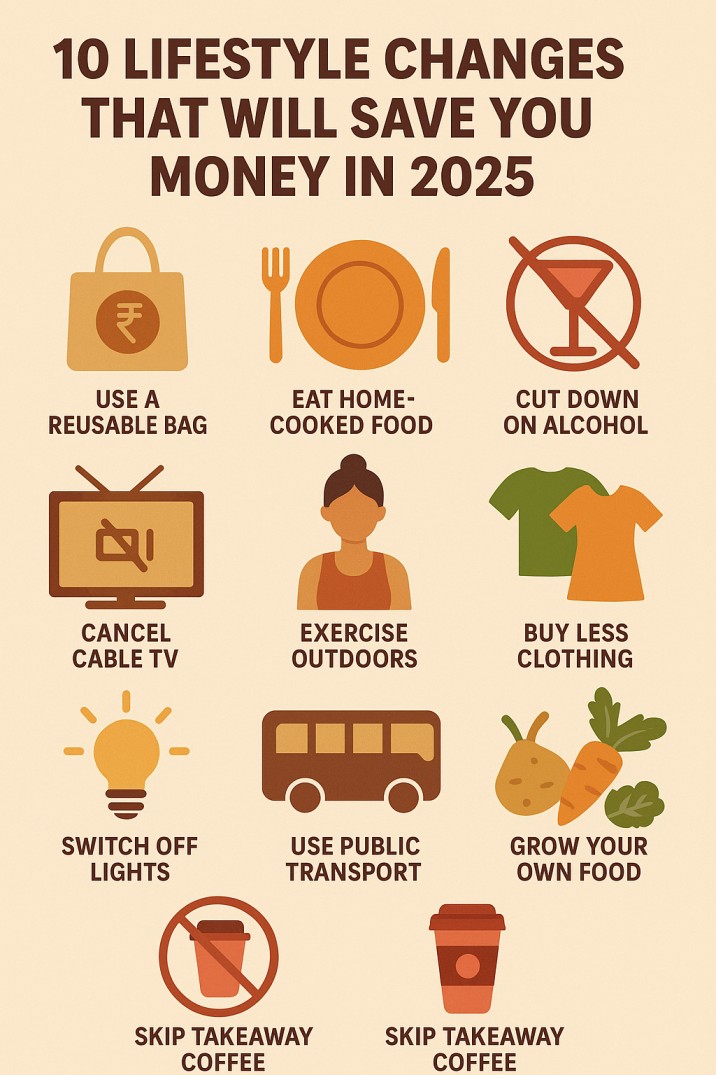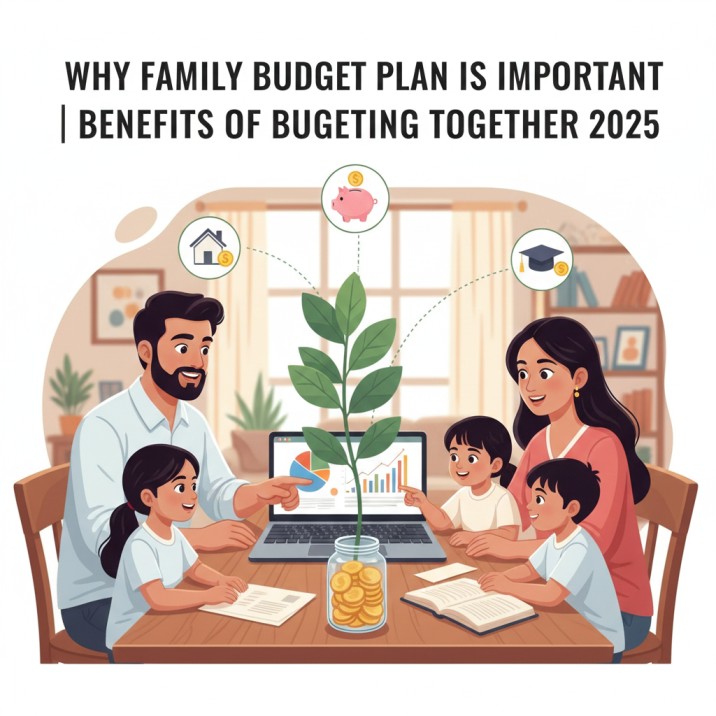

Earning a small salary (₹10,000–₹20,000)? Here’s the complete 2025 Indian guide to saving money smartly — with real stories, budget templates, tools, and zero-waste habits that work.
📋 Table of Contents
- 🧮 Key Takeaways
- Why Saving on a Small Salary Matters in 2025
- 🧭 Who This Guide Is For
- 📈 Step-by-Step Guide to Save Money on ₹10,000–₹20,000 Salary
- 4.1 💡 Set Clear Savings Goals
- 4.2 📊 Track Every Rupee You Spend
- 4.3 🗂 Create a Realistic Budget (Indian Version)
- 4.4 🏦 Automate Your Monthly Savings
- 4.5 ⚙ Reduce Hidden & Regular Expenses
- 4.6 💰 Add Small Side Income Streams
- 4.7 🧾 Build an Emergency Fund (Even on Low Salary)
- 4.8 🔁 Review & Adjust Each Month
- 🧑💼 Real-Life Indian Examples
- 📊 Budget & Savings Tables
- ✅ Pros & ❌ Cons of Saving on a Small Salary
- ⚠ Common Mistakes to Avoid
- 📱 Best Tools & Apps for Small Income Savers
- 🧠 Who Should Follow This Guide
- 📝 Quick Action Checklist
- ❓ Frequently Asked Questions (FAQs)
- ⭐ Editor’s Pick – SaveWithRupee Recommended Guides
- 🧾 Final Summary – Small Salary, Big Dreams
🧮 1. Key Takeaways
- Even if you earn between ₹10,000 and ₹20,000, you can save smartly by following a structured budget.
- Automating savings ensures discipline — “save first, spend later.”
- A few changes in food, recharge, and electricity use can save ₹2,000–₹3,000 monthly.
- Build an emergency fund — even ₹500/month counts.
- Combine saving habits with small side income ideas to increase your total cash flow.
2. Why Saving on a Small Salary Matters in 2025
In 2025, prices of groceries, mobile recharges, and rents have increased — but salaries haven’t kept pace. Many Indian families still run their homes on ₹10,000–₹20,000 per month.
Saving money in this range is not about luxury, it’s about security and peace.
Even small, consistent savings can help you pay for school fees, medical bills, or festival expenses without loans.
If you’ve already started budgeting, also read Monthly Budget Plan for Family with ₹30,000 Income — it uses the same system scaled up.
🧭 3. Who This Guide Is For
✅ Students or freshers earning ₹10,000–₹15,000/month
✅ Workers, helpers, or gig earners in Tier 2–3 cities
✅ Homemakers managing limited household income
✅ Families living on a single income below ₹20,000/month
✅ Anyone who says, “I can’t save; I earn too little.”
If that’s you — this guide is built exactly for your situation.
📈 4. Step-by-Step Guide to Save Money on ₹10,000–₹20,000 Salary
4.1 💡 Set Clear Savings Goals
When you have a reason, saving becomes easier.
Ask yourself: Why am I saving?
👉 Short-term goals: buy new phone, pay school fees
👉 Medium-term goals: emergency fund, festival fund
👉 Long-term goals: children’s education, house deposit
Write your goals on paper. Add target months and target amounts.
This method is used in How to Save Your First ₹1 Lakh Step-by-Step.
4.2 📊 Track Every Rupee You Spend
You can’t control what you don’t measure.
✅ Write down every expense (tea, bus, rent).
✅ Use an app or notebook to group expenses by type: food, transport, bills, etc.
✅ Check your spending at the end of each week.
Use Best Free Budgeting Apps in India 2025 Edition to simplify tracking.
4.3 🗂 Create a Realistic Budget (Indian Version)
Start with a simple structure that fits low-income families:
| Income | Needs (60%) | Wants (20%) | Savings (20%) |
|---|---|---|---|
| ₹10,000 | ₹6,000 | ₹2,000 | ₹2,000 |
| ₹15,000 | ₹9,000 | ₹3,000 | ₹3,000 |
| ₹20,000 | ₹12,000 | ₹4,000 | ₹4,000 |
🪙 Needs include rent, groceries, bills, and transport.
🎉 Wants include outings, recharges, OTT.
💰 Savings go into recurring deposits, SIPs, or emergency funds.
Detailed explanation: 50-30-20 Rule of Budgeting for Indians.
4.4 🏦 Automate Your Monthly Savings
Set up auto-transfer on salary day.
Even ₹500/month is enough to start.
💡 Open a Zero Balance Bank Account to avoid extra fees.
Use your RD or SIP to auto-deduct funds before you can spend them.
4.5 ⚙ Reduce Hidden & Regular Expenses
Here’s how to save ₹2,000+ every month without lifestyle cuts:
| Expense | Average Cost | Smart Switch | Monthly Savings |
|---|---|---|---|
| OTT subscriptions | ₹499 | Share with family / pause | ₹300 |
| Electricity | ₹800 | Use LED, switch off fans | ₹200 |
| Mobile plans | ₹600 | Choose annual combo plan | ₹200 |
| Groceries | ₹5,000 | Buy wholesale/local | ₹500 |
| Eating out | ₹1,500 | Home-cook thrice weekly | ₹800 |
| Bank fees | ₹250 | Use zero-balance account | ₹250 |
💬 Bonus: Track and review all digital payments weekly.
Read: Hidden Bank Charges You’re Paying Every Month – Stop Losing Money in 2025
4.6 💰 Add Small Side Income Streams
On a ₹10k–₹20k salary, a side income of even ₹1,000/month changes your savings dramatically.
Try:
- Reselling products via Meesho or GlowRoad
- Freelance writing or translation
- Cashback and referral programs
- Selling unused items online
Learn more: Best Side Hustles in India 2025 – Earn ₹10,000/Month
4.7 🧾 Build an Emergency Fund (Even on Low Salary)
Start small, but start now.
Keep ₹500–₹1000/month aside in a separate account.
Goal: 3–6 months of expenses.
If you spend ₹15,000/month → build a ₹45,000–₹90,000 safety net.
More guidance: Emergency Fund for Indian Households 2025.
4.8 🔁 Review & Adjust Each Month
✅ Check total spending vs last month
✅ Increase savings by ₹100–₹200 each month if possible
✅ Shift money from “wants” to “savings”
✅ Celebrate small milestones — like saving ₹5,000 for the first time
🧑💼 5. Real-Life Indian Examples
1️⃣ Ramesh (Mumbai) – Auto Driver, ₹15,000 income:
Cut his mobile data plan by half, saved ₹300/month, joined the ₹100 daily savings challenge — saved ₹36,000 in one year.
2️⃣ Anjali (Delhi) – Domestic Worker, ₹12,000 income:
Started a ₹500 monthly RD and saved cashback points. After 18 months, she built ₹10,000 fund for her daughter’s education.
3️⃣ Rahul & Pooja (Nagpur) – Couple earning ₹20,000:
Followed 50-30-20 rule, built ₹60,000 emergency fund in 2 years.
📊 6. Budget & Savings Tables
Table 1: Savings Growth for ₹500/Day Habit
| Duration | Daily Save | Total (₹) |
|---|---|---|
| 1 Month | ₹100 | ₹3,000 |
| 6 Months | ₹100 | ₹18,000 |
| 12 Months | ₹100 | ₹36,000 |
Challenge yourself here: How to Save ₹100 Daily Without Sacrifice
✅ 7. Pros & ❌ Cons of Saving on a Small Salary
✅ Pros
- Builds financial discipline early
- Prevents loan dependency
- Creates peace of mind
- Proves “small steps = big results”
❌ Cons
- Limited margin for emergencies
- Temptation to spend more when income rises
- Slow progress initially
⚠ 8. Common Mistakes to Avoid
- Thinking “I’ll start saving when salary increases.”
- Ignoring small spends — they leak big money.
- Keeping all income in one account (mixes savings & expenses).
- Using credit cards for daily expenses.
- Ignoring insurance and medical savings.
For detailed examples, see Mistakes to Avoid While Starting SIP.
📱 9. Best Tools & Apps for Small Income Savers
| Category | App | Purpose |
|---|---|---|
| Expense Tracker | Walnut / Money Manager | Track daily expenses |
| Budget Planning | Google Sheets | Manual budgeting |
| Investment | Groww / Zerodha | SIPs, FDs, mutual funds |
| Cashback | Paytm / MagicPin | Get extra rewards |
| Banking | Zero-balance Accounts | Avoid hidden charges |
🧠 10. Who Should Follow This Guide
- Salaried workers earning ₹10,000–₹20,000
- Homemakers managing tight budgets
- College students doing part-time work
- Newly married couples starting fresh
- Retirees with small pensions wanting better control
This guide works for anyone who wants financial peace without cutting happiness.
📝 11. Quick Action Checklist
✅ Write down your monthly income & expenses
✅ Use the 60-20-20 or 50-30-20 rule
✅ Automate ₹500–₹1000 monthly saving
✅ Join the ₹100/day challenge
✅ Switch to zero-balance account
✅ Track every rupee with an app
✅ Build emergency fund slowly
✅ Add at least one extra income stream
✅ Review and celebrate savings monthly
❓ 12. Frequently Asked Questions (FAQs)
Q1. Can I save on a ₹10,000 salary?
Yes! With basic tracking, automation, and controlled spending, you can save at least ₹500–₹1,000 per month.
Q2. What is the best first step?
Start a recurring deposit (RD) or auto-transfer ₹500 to a separate account.
Q3. Which app is best for small savers?
Walnut, Money Manager, and Paytm are excellent for tracking expenses and saving rewards.
Q4. Should I invest or save first?
First, build an emergency fund. Once you have 3 months’ expenses, start SIPs.
Q5. How to save money for house rent or groceries?
Plan monthly shopping lists, use local markets, and control food waste — check Grocery Shopping Tips to Cut Monthly Expenses.
⭐ 13. Editor’s Pick – SaveWithRupee Recommended Guides
🟢 How to Save ₹100 Daily Without Sacrifice (India 2025)
🟢 Monthly Budget Plan for Family with ₹30,000 Income
🟢 Smart Investment Habits of Middle-Class Indians 2025
🟢 Passive Income Ideas in India 2025
🟢 Hidden Bank Charges You’re Paying Every Month
🧾 14. Final Summary – Small Salary, Big Dreams
Saving money on a small income isn’t about sacrifice — it’s about smart systems.
When you control your spending, track your rupees, and automate savings, your salary stops disappearing and starts working for you.
💬 Even if you earn ₹10,000–₹20,000, you can:
- Save ₹1,000+ monthly
- Build a ₹36,000 yearly buffer
- Stay debt-free and confident
Start small, stay consistent, and trust the process.
💚 SaveWithRupee Says:
“You don’t need a higher salary to feel rich — you need a smarter plan for the one you already have.”
Next, read:
👉 How to Save ₹5000 Every Month Without Sacrifice (2025 Guide)
👉 Best Low-Cost Saving Schemes in India 2025 for Beginners
Author Insight
In my own experience managing monthly expenses in India, I realized that the biggest financial problems were not due to low income, but due to lack of planning. For example, when my monthly income was around ₹25,000, I often ended up spending almost everything without saving anything at the end of the month.”
“I started tracking my expenses daily using a simple notebook. Within one month, I noticed that small, unnecessary expenses like frequent online orders and unplanned spending were taking a large portion of my income.”
“By making small changes—like setting a fixed budget for groceries, limiting online purchases, and saving at least ₹2,000 at the beginning of each month—I was able to reduce financial stress and slowly build better control over my money.” “These are simple and practical methods that any Indian household can follow without needing complex financial knowledge.”
Research Sources
- Reserve Bank of India – Financial Reports
- SEBI Investor Education
- Economic Times – Personal Finance
- Investopedia – Budgeting & Finance Basics
Disclaimer: This article is based on personal experience and is for educational purposes only. It does not constitute financial, investment, or legal advice. Readers are advised to do their own research or consult a qualified professional before making any financial decisions.