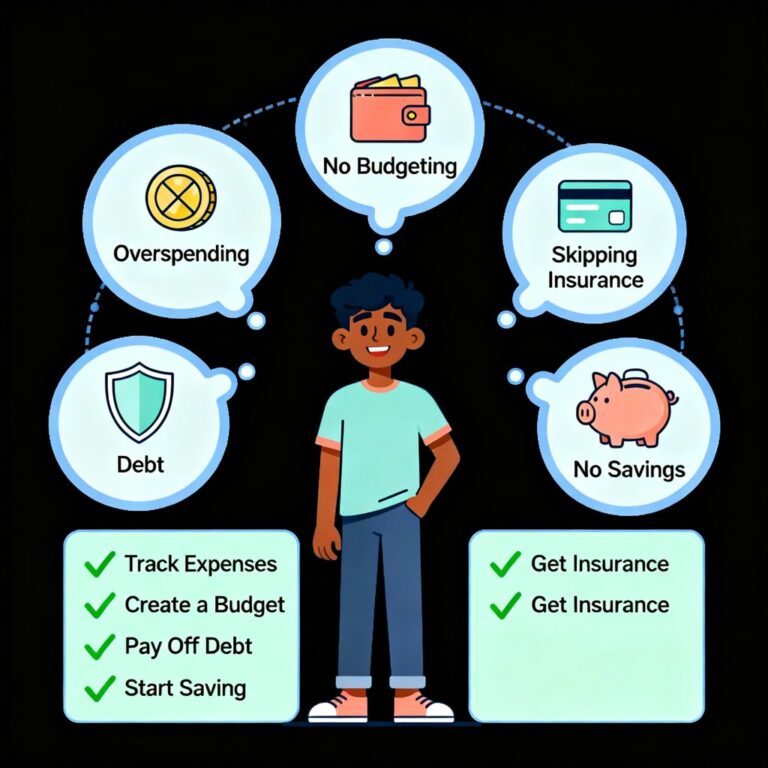

Discover effective ways to save on school and tuition fees in India in 2025. Learn to apply for scholarships, choose affordable programs, utilize government schemes, and budget wisely for education expenses.
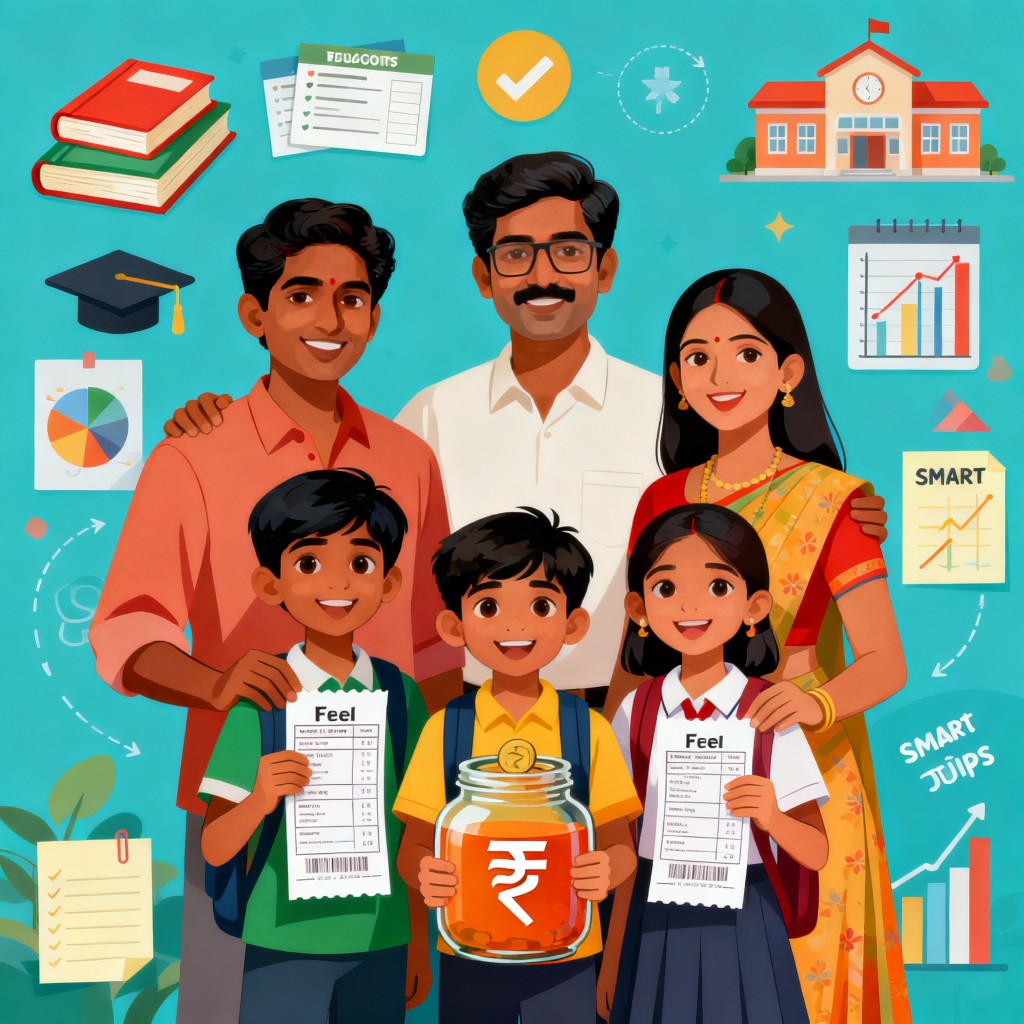
How to Save Money on School & Tuition Fees | Smart Tips for 2025
For many Indian families, school education is one of the biggest household expenses. Apart from tuition fees, parents also have to pay for books, uniforms, transport, extracurricular activities, and private coaching.
In recent years, the cost of education has increased steadily. Even mid-range private schools in cities can charge ₹50,000 to ₹1.5 lakh per year, and additional coaching classes can add thousands more to the yearly expenses.
While education is an important investment for a child’s future, managing these costs wisely can help families avoid financial stress.
The good news is that there are several practical ways to reduce school and tuition expenses without compromising your child’s education.
In this guide, we will explore smart strategies Indian parents can use in 2025 to control education costs and save money.
💡 Personal Experience
Many parents realise only after a few years that school expenses quietly increase every term. Planning these costs in advance and exploring scholarships or discounts can make a noticeable difference in the yearly education budget.
You can also explore everyday saving money tips here:
https://savewithrupee.com/15-daily-money-hacks-to-save-₹10000-this-year/
Why School Education Costs Are Increasing
Education expenses in India have increased due to several factors.
Common reasons include:
- improved school infrastructure
- digital learning platforms
- extracurricular activities
- administrative and operational costs
Private schools often revise their fee structure every year.
Apart from tuition, families also spend money on:
- books and stationery
- uniforms
- school transport
- private tuition classes
Managing these costs is an important part of personal finance planning. Learn more here:
https://savewithrupee.com/7-steps-to-become-financially-independent/
Key Benefits of Planning Education Expenses
Managing school expenses carefully offers several advantages.
1. Reduced Financial Stress
Parents avoid sudden financial pressure during fee payment periods.
2. Better Budget Management
Education costs can be planned within the household budget.
3. More Savings for Future Goals
Money saved on school expenses can be invested for future education or emergencies.
4. Smart Financial Habits
Children also learn the importance of financial discipline.
Smart Ways to Save Money on School Fees
1. Choose Schools Carefully
Before enrolling a child, compare schools based on:
- fee structure
- quality of education
- distance from home
- additional charges
Sometimes a mid-range school with good teaching quality can provide excellent education at a lower cost.
2. Use Government Scholarships
The Government of India and state governments offer scholarships for students.
Examples include:
- merit-based scholarships
- income-based scholarships
- minority scholarships
These programs can reduce education expenses significantly.
3. Pay Annual Fees in Advance
Some schools offer discounts for paying the full year’s fee in advance.
Example:
| Payment Type | Fee Amount |
|---|---|
| Quarterly payments | ₹60,000 per year |
| Annual payment | ₹57,000 per year |
This saves ₹3,000 annually.
4. Buy Books and Uniforms Outside School
Schools often sell books and uniforms at higher prices.
Buying them from local bookstores or wholesale markets can reduce costs.
Example savings:
| Item | School Price | Market Price |
|---|---|---|
| Textbooks | ₹4,500 | ₹3,800 |
| Uniform | ₹2,000 | ₹1,400 |
5. Share or Reuse Books
Many books can be reused if the syllabus remains unchanged.
Options include:
- borrowing from seniors
- exchanging books with neighbours
- buying second-hand books
This can save thousands every year.
6. Limit Unnecessary Tuition Classes
Some students attend multiple tuition classes even when they may not be necessary.
Instead:
- identify subjects where extra help is required
- avoid enrolling in too many coaching classes
Comparison Table: Tuition Classes vs Self-Study
| Factor | Tuition Classes | Self-Study |
|---|---|---|
| Cost | High | Low |
| Personal attention | Moderate | Depends on discipline |
| Time commitment | Fixed schedule | Flexible |
| Learning independence | Lower | Higher |
A balanced approach often works best.
Real-Life Example: Saving on Education Costs
A family with two school-going children spends:
| Expense | Annual Cost |
|---|---|
| School fees | ₹80,000 |
| Books and uniforms | ₹15,000 |
| Tuition classes | ₹20,000 |
Total: ₹1,15,000
After applying cost-saving strategies:
- buying books outside school
- reducing tuition classes
- using reused materials
New total: ₹95,000
Savings: ₹20,000 per year
Common Mistakes Parents Make
1. Ignoring Hidden Charges
Many schools add charges for:
- extracurricular activities
- events
- digital learning tools
2. Choosing Expensive Schools for Prestige
High fees do not always guarantee better education.
3. Paying Late Fees
Late fee penalties can increase costs unnecessarily.
4. Overspending on Coaching Classes
Too many tuition classes can increase expenses significantly.
Expert Tips to Manage Education Costs
Start an Education Savings Fund
Saving small amounts every month helps manage future school expenses.
Create a Dedicated Education Budget
Education expenses should be part of the household budget.
You can learn budgeting techniques in our monthly budgeting guide:
https://savewithrupee.com/monthly-budget-plan-for-₹25000-salary-in-india/
Track All Education Expenses
Tracking helps identify unnecessary spending.
Plan Long-Term Education Goals
Saving early for higher education can reduce financial pressure later.
You can learn how to build savings in our guide on
https://savewithrupee.com/how-to-save-your-first-₹1-lakh-step-by-step/
Pros and Cons of Private School Education
| Pros | Cons |
|---|---|
| Modern facilities | Higher fees |
| Extracurricular opportunities | Additional charges |
| English-medium education | Transportation costs |
| Better infrastructure | Tuition pressure |
Parents should balance cost and quality when selecting schools.
Frequently Asked Questions
1. How much do school fees cost in India?
School fees vary widely depending on location and school type. Private schools can charge ₹30,000 to ₹1.5 lakh per year or more.
2. Can parents negotiate school fees?
Some schools may offer sibling discounts or financial aid, especially in smaller institutions.
3. Are government scholarships available for school students?
Yes. Both central and state governments offer scholarships based on merit and income.
4. Is private tuition necessary for all students?
Not always. Many students perform well with regular school classes and disciplined self-study.
5. How can parents reduce education costs?
Comparing schools, using scholarships, buying books outside school, and limiting unnecessary tuition classes can help reduce expenses.
6. Should parents start saving early for education?
Yes. Starting early helps manage future education costs more easily.
Conclusion
Education is one of the most important investments parents make for their children. However, rising school and tuition fees can create financial pressure if not managed carefully.
By using practical strategies such as choosing schools wisely, using scholarships, buying books from local markets, and controlling tuition expenses, families can reduce education costs without affecting learning quality.
Planning education expenses early and maintaining a clear household budget can help parents provide quality education while protecting their financial stability.
With smart planning, it is possible to support your child’s education and still maintain healthy family finances.
References
- Ministry of Education, Government of India – School Education Policies
https://www.education.gov.in/en - Investopedia – Budgeting for Education Expenses
https://www.investopedia.com/articles/personal-finance/090915/how-save-your-childs-education.asp - Economic Times – Rising Education Costs in India
https://economictimes.indiatimes.com/wealth - National Scholarship Portal – Government Scholarships
https://scholarships.gov.in/
Author Insight
In my own experience managing monthly expenses in India, I realized that the biggest financial problems were not due to low income, but due to lack of planning. For example, when my monthly income was around ₹25,000, I often ended up spending almost everything without saving anything at the end of the month.”
“I started tracking my expenses daily using a simple notebook. Within one month, I noticed that small, unnecessary expenses like frequent online orders and unplanned spending were taking a large portion of my income.”
“By making small changes—like setting a fixed budget for groceries, limiting online purchases, and saving at least ₹2,000 at the beginning of each month—I was able to reduce financial stress and slowly build better control over my money.” “These are simple and practical methods that any Indian household can follow without needing complex financial knowledge.”
Research Sources
- Reserve Bank of India – Financial Reports
- SEBI Investor Education
- Economic Times – Personal Finance
- Investopedia – Budgeting & Finance Basics
Disclaimer: This article is based on personal experience and is for educational purposes only. It does not constitute financial, investment, or legal advice. Readers are advised to do their own research or consult a qualified professional before making any financial decisions.