
A complete 2025 Indian guide to saving your first ₹1 lakh. Step-by-step plan, real examples, budgeting tips, tools, comparison tables, and practical money hacks for beginners.
How to Save Your First ₹1 Lakh in India (2025 Guide) – Simple Step-by-Step Plan
Saving your first ₹1 lakh is one of the most exciting financial milestones for many Indians. It may not sound like a huge amount in today’s economy, but reaching this goal builds the confidence and discipline needed for bigger financial achievements.
For someone earning ₹20,000 to ₹50,000 per month, saving ₹1 lakh can feel difficult at first. Rent, groceries, transportation, mobile bills, and family responsibilities often take up most of the income.
However, with a simple strategy and consistent habits, saving ₹1 lakh is absolutely possible—even on a modest salary.
The key is not earning a very high income. The key is managing your money intentionally and building smart saving habits.
In this guide, we’ll break down a practical step-by-step plan for Indians in 2025 that shows how you can save your first ₹1 lakh without extreme sacrifices.
💡 Personal Experience
When I started tracking my expenses seriously, I realised I was losing small amounts of money every day on things like food delivery and impulse shopping. Once I controlled these habits and saved a fixed amount every month, reaching my first ₹1 lakh felt much more achievable than I expected.
You can also explore practical strategies in our guide on saving money tips at
https://savewithrupee.com/15-daily-money-hacks-to-save-₹10000-this-year/
Why Saving the First ₹1 Lakh Is Important
Your first ₹1 lakh is not just about the amount. It represents financial discipline and control over your money.
Here are a few reasons why this milestone matters.
1. It Builds Financial Confidence
Once you reach ₹1 lakh, saving larger amounts becomes easier.
2. It Creates an Emergency Safety Net
Unexpected expenses such as medical bills or job loss become easier to handle.
3. It Helps Start Investing
₹1 lakh can be used to start investments like mutual funds, fixed deposits, or stocks.
4. It Teaches Financial Discipline
You learn budgeting, spending control, and planning.
For beginners starting their financial journey, it’s also useful to learn personal finance planning. Explore our guide here:
https://savewithrupee.com/7-steps-to-become-financially-independent/
Understanding the ₹1 Lakh Goal
Before starting, let’s break the goal into smaller pieces.
| Time Period | Monthly Saving Needed |
|---|---|
| 12 months | ₹8,333 |
| 10 months | ₹10,000 |
| 8 months | ₹12,500 |
| 6 months | ₹16,667 |
Many people prefer the 12-month plan, which requires saving about ₹8,300 per month.
But even if you save smaller amounts, you can still reach ₹1 lakh gradually.
Step-by-Step Plan to Save Your First ₹1 Lakh
Step 1: Track Your Current Spending
The first step is understanding where your money goes.
Write down all monthly expenses such as:
- Rent
- Groceries
- Transport
- Food delivery
- Online shopping
- Subscriptions
Many Indians are surprised when they realise how much they spend on small daily purchases.
Tracking expenses is a powerful habit. You can learn more in our monthly budgeting guide at
https://savewithrupee.com/how-i-manage-my-own-monthly-budget-in-india-my-real-2025-example-with-actual-numbers/
Step 2: Set a Monthly Saving Target
Choose a realistic monthly saving target.
Example:
| Monthly Income | Suggested Saving |
|---|---|
| ₹20,000 | ₹3,000 |
| ₹30,000 | ₹5,000 |
| ₹40,000 | ₹8,000 |
| ₹50,000 | ₹10,000 |
Consistency matters more than the amount.
Step 3: Reduce Small Daily Expenses
Many Indians unknowingly lose money through small lifestyle expenses.
Examples include:
- Food delivery apps
- Daily snacks and coffee
- Online shopping
- Unused subscriptions
Even reducing ₹100 per day can save ₹3,000 per month.
You can explore more lifestyle changes in our guide on
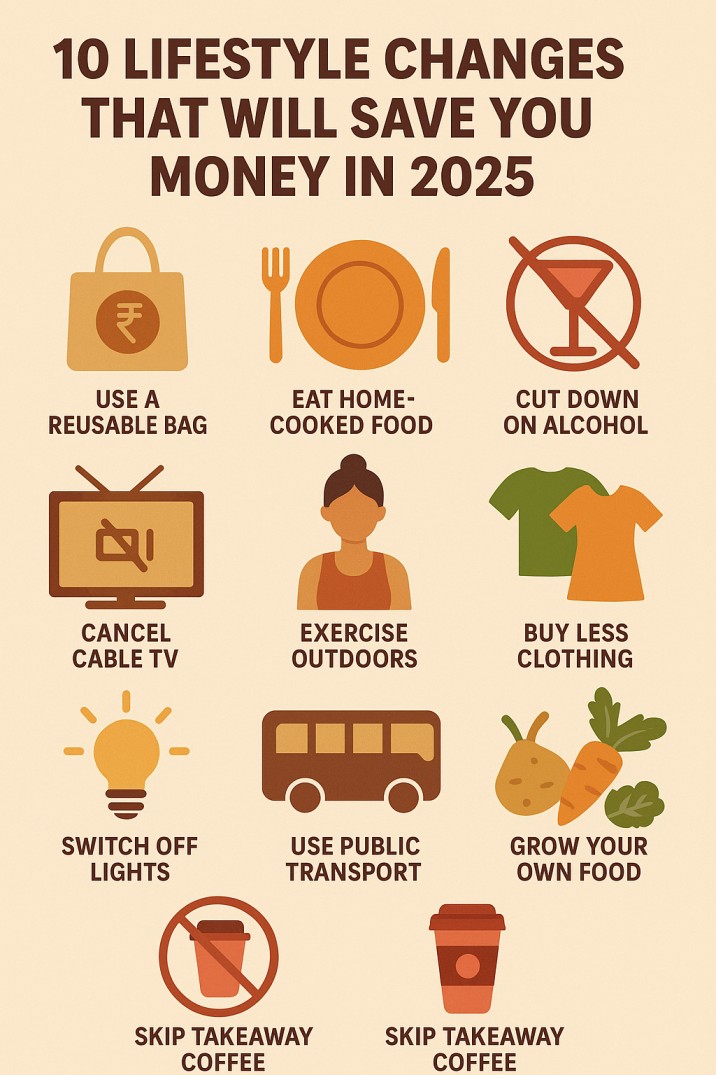
https://savewithrupee.com/10-small-lifestyle-changes-that-save-big-money/
Step 4: Automate Your Savings
Automation removes the temptation to spend money.
A simple strategy is:
- Transfer savings on salary day
- Set automatic SIP investments
- Use recurring deposits
When savings happen automatically, you are less likely to spend the money.
Step 5: Increase Your Income (Optional but Powerful)
If your expenses are already tight, increasing income can accelerate your savings.
Some options include:
- Freelancing
- Part-time online work
- Selling unused items
- Teaching or tutoring
You can explore ideas in our guide on passive income ideas at
https://savewithrupee.com/passive-income-ideas-in-india-2025-12-real-ways-to-earn-while-you-sleep/
Smart Places to Keep Your Savings
When saving money for your first ₹1 lakh, choose safe and simple options.
| Option | Risk Level | Liquidity | Suitable For |
|---|---|---|---|
| Savings account | Very low | High | Short-term savings |
| Recurring deposit | Low | Medium | Monthly saving discipline |
| Liquid mutual fund | Low | High | Slightly better returns |
| Fixed deposit | Low | Medium | Safe parking for money |
If you are a beginner, start with safe options first.
You can later explore more best investment options in India at
https://savewithrupee.com/mutual-fund-vs-fixed-deposit-which-is-better-in-india-2025-complete-beginners-guide/
Real-Life Example: Saving ₹1 Lakh on a ₹35,000 Salary
Let’s look at a realistic example.
Rahul earns ₹35,000 per month.
His saving plan looks like this:
| Category | Amount |
|---|---|
| Income | ₹35,000 |
| Expenses | ₹26,000 |
| Savings | ₹9,000 |
If he saves ₹9,000 per month:
₹9,000 × 12 months = ₹1,08,000
In just one year, Rahul crosses the ₹1 lakh milestone.
Common Mistakes to Avoid
Many people struggle to save money because of these habits.
1. Waiting for a Higher Salary
Saving should start immediately, even with small amounts.
2. Saving What’s Left
A better strategy is:
Save first, spend later.
3. Ignoring Budgeting
Without a budget, spending easily goes out of control.
4. Keeping Savings in Cash
Cash savings often get spent accidentally.
5. Lifestyle Inflation
As income increases, spending often increases too.
Avoiding these mistakes can accelerate your savings journey.
Expert Tips to Reach ₹1 Lakh Faster
Start a ₹100 Daily Challenge
Saving ₹100 per day equals:
₹36,500 per year
Reduce Food Delivery
Cooking at home can reduce monthly expenses significantly.
Sell Unused Items
Old electronics, furniture, or gadgets can generate quick cash.
Set a Clear Goal
Write your goal somewhere visible.
Seeing your progress motivates you to continue.
Pros and Cons of Saving Aggressively
| Pros | Cons |
|---|---|
| Builds strong financial habits | Requires discipline |
| Creates emergency safety | May require lifestyle adjustments |
| Improves financial confidence | Social spending may reduce |
| Helps start investing | Needs long-term consistency |
Frequently Asked Questions
1. How long does it take to save ₹1 lakh?
It depends on income and saving rate. Many people achieve this within 10–12 months.
2. Can I save ₹1 lakh on a ₹20,000 salary?
Yes, but it may take longer. Saving ₹3,000–₹4,000 per month can help reach the goal in about 2 years.
3. Should I invest while saving ₹1 lakh?
If your goal is short-term, keep savings in low-risk options like savings accounts or recurring deposits.
4. What should I do after saving ₹1 lakh?
After reaching this milestone, you can start building an emergency fund or investment portfolio.
You can learn more in our emergency fund guide at
https://savewithrupee.com/emergency-fund-how-much-should-an-indian-household-keep-practical-guide-2025/
5. Is ₹1 lakh enough for emergency savings?
It’s a good starting point, but ideally you should aim for 3–6 months of living expenses.
6. Should I keep savings in a bank account?
Yes, especially for short-term goals. For long-term growth, consider investments later.
Conclusion
Saving your first ₹1 lakh may seem challenging at first, but it becomes achievable when you break the goal into smaller steps.
The formula is simple:
- Track your expenses
- Reduce unnecessary spending
- Save consistently every month
- Increase income when possible
Even small habits—like saving ₹100 per day or reducing impulse spending—can lead to significant results over time.
Your first ₹1 lakh is not just about money. It represents the moment when you take control of your financial future.
Once you reach this milestone, building larger savings and investments becomes much easier.
The most important step is simply starting today.
References
- Reserve Bank of India – Household Financial Savings Report
https://www.rbi.org.in - SEBI Investor Education Resources
https://www.sebi.gov.in - Economic Times – Personal Finance and Saving Trends in India
https://economictimes.indiatimes.com - Investopedia – Personal Saving Strategies
https://www.investopedia.com
Author Insight
In my own experience managing monthly expenses in India, I realized that the biggest financial problems were not due to low income, but due to lack of planning. For example, when my monthly income was around ₹25,000, I often ended up spending almost everything without saving anything at the end of the month.”
“I started tracking my expenses daily using a simple notebook. Within one month, I noticed that small, unnecessary expenses like frequent online orders and unplanned spending were taking a large portion of my income.”
“By making small changes—like setting a fixed budget for groceries, limiting online purchases, and saving at least ₹2,000 at the beginning of each month—I was able to reduce financial stress and slowly build better control over my money.” “These are simple and practical methods that any Indian household can follow without needing complex financial knowledge.”
Research Sources
- Reserve Bank of India – Financial Reports
- SEBI Investor Education
- Economic Times – Personal Finance
- Investopedia – Budgeting & Finance Basics
Disclaimer: This article is based on personal experience and is for educational purposes only. It does not constitute financial, investment, or legal advice. Readers are advised to do their own research or consult a qualified professional before making any financial decisions.