
Cut your daily commute expenses with smart tips like carpooling, using public transport, off-peak travel, and vehicle maintenance. Save money and time with easy 2025 strategies.
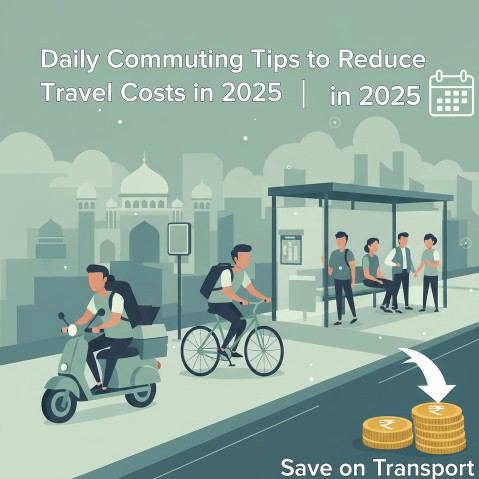
How Indians Can Save Big on Transport Without Sacrificing Comfort
Daily commuting is one of the biggest silent money-drainers for Indian households. Whether you travel by bus, metro, bike, train, auto, or cab, transport costs quietly eat into your monthly budget—often without you realizing how much.
The good news?
You don’t need to change your job, move houses, or buy an expensive EV to save money.
Why Daily Commuting Costs Are Rising in India
In 2025, Indian commuters are facing:
- Rising fuel prices
- Higher metro and bus fares in some cities
- App-based cab surge pricing
- Increasing maintenance costs for two-wheelers and cars
For many families, commuting costs range from ₹2,000 to ₹8,000 per month—sometimes more than groceries.
The key is not cutting travel completely, but travelling smarter.
Step 1: Calculate Your Real Monthly Commuting Cost
Most people underestimate this.
Include:
- Fuel or tickets
- Parking charges
- Toll fees
- Vehicle servicing
- Cab surge costs
- Occasional autos
You may discover you’re spending ₹1,500–₹2,000 more than you thought.
This awareness alone often pushes people to change habits.
If you already track expenses, great. If not, a simple budgeting method explained in how I track every rupee I spend can help.
Step 2: Switch to Monthly or Season Passes
If you use:
- Metro
- Local trains
- State buses
Monthly or quarterly passes are almost always cheaper than daily tickets.
Savings range:
- ₹300–₹1,200 per month
- Plus time saved in queues
Many Indian cities also offer student, senior citizen, and employee concessions—often underused.
Step 3: Combine Transport Modes (Instead of One Costly Option)
Using only one mode (like cab or bike) every day is expensive.
Smarter approach:
- Walk or cycle for short distances
- Use metro or bus for longer stretches
- Avoid cabs except when necessary
Example:
Bike → Metro → Walk
Instead of: Bike → Office parking + fuel + maintenance
This hybrid method cuts fuel and wear-and-tear costs significantly.
Step 4: Carpool Whenever Possible
Carpooling is still one of the most underrated money savers in India.
Benefits:
- Fuel cost shared
- Parking stress reduced
- Lower vehicle maintenance
Even carpooling 2–3 days a week can save ₹1,000+ monthly.
If you work in an office setup, start with:
- Colleagues
- Nearby residents
- Office WhatsApp groups
Step 5: Optimize Two-Wheeler Usage (Big Savings Here)
If you use a bike or scooter daily:
Smart habits:
- Maintain correct tyre pressure
- Avoid aggressive acceleration
- Service regularly
- Avoid short-distance rides when walking is possible
These small habits improve mileage and reduce long-term costs.
Also, reconsider unnecessary bike upgrades or accessories—they rarely save money.
Step 6: Avoid Cab Apps for Daily Commute
Cab apps are convenient—but financially dangerous if used daily.
Problems:
- Surge pricing
- Peak-hour premiums
- Cancellation charges
Use cabs only:
- During emergencies
- Late nights
- When public transport is unavailable
If cabs are unavoidable, reduce cost using:
- Wallet cashbacks
- Reward points
You can explore apps that legally reward spending in 7 best apps to earn cashback while shopping.
Step 7: Use UPI & Digital Payments Smartly
In 2025, small transport payments add up fast.
Tips:
- Track UPI micro-spends
- Use UPI Lite for small payments
- Avoid frequent ₹50–₹100 auto rides
UPI makes spending painless—which is exactly why it leaks money.
Understanding this behavior is explained clearly in UPI Lite explained – save while you pay small.
Step 8: Choose Weekly or Monthly Budgeting for Travel
Instead of thinking monthly, try:
- Weekly transport budget
Example:
- ₹500 per week travel limit
- Forces smarter choices daily
Many people overspend early in the month and regret later.
If confused between budgeting styles, see weekly budget vs monthly budget.
Step 9: Reduce Non-Work Travel Costs
Not all commuting is work-related.
Common money leaks:
- Frequent mall visits
- Unplanned rides for small errands
- Multiple short trips
Solutions:
- Combine errands into one trip
- Plan grocery shopping weekly
- Walk for nearby needs
You’ll be surprised how much this saves over a month.
For grocery-related planning, this guide helps:
👉 grocery shopping tips to cut monthly expenses
Step 10: Consider Location Decisions Long-Term
If you’re planning:
- Job change
- House shift
- Marriage
Commute cost should be a decision factor, not an afterthought.
Sometimes paying ₹2,000 higher rent saves ₹4,000 in travel and time.
This mindset shift is part of why family budget planning is important.
Real Indian Example: How Small Changes Saved ₹2,800/Month
Rohit, a private employee in Noida, used bike + cab daily and spent nearly ₹5,500 monthly.
What he changed:
- Monthly metro pass
- Walked 10 minutes instead of autos
- Used bike only twice a week
New cost: ₹2,700/month
Savings: ₹2,800/month
That’s over ₹33,000 saved in a year—without changing his job.
Common Mistakes to Avoid
❌ Choosing convenience every day
❌ Ignoring small rides
❌ Overusing cab apps
❌ Not tracking travel expenses
❌ Upgrading vehicles without need
These mistakes slowly destroy savings goals.
How Transport Savings Help Bigger Financial Goals
Money saved from commuting can be redirected to:
- Emergency fund
- SIPs
- Insurance
- Debt repayment
This is how small habits fuel big outcomes, explained in
👉 10 small lifestyle changes that save big money.
Final CTA: Start Saving From Your Next Ride
You don’t need a new vehicle or drastic lifestyle change.
You just need awareness + consistency.
Start today:
- Track this week’s travel cost
- Pick 2 tips from this guide
- Apply them for 30 days
👉 For a complete money-saving system that works for Indian families, explore
Daily commuting tips to reduce travel costs and related guides on SaveWithRupee.
Your commute happens every day.
So should your savings.
Disclaimer: This article is based on personal experience and is for educational purposes only. It does not constitute financial, investment, or legal advice. Readers are advised to do their own research or consult a qualified professional before making any financial decisions.