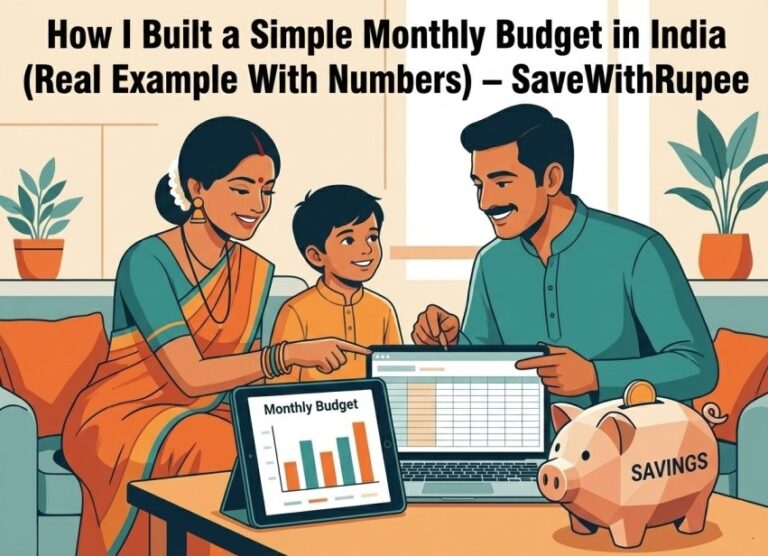

A powerful real-life Indian story of how money stress affected my health, relationships, confidence, and peace—until one habit changed everything. With 5 real stories, editor’s pick, and practical guidance.
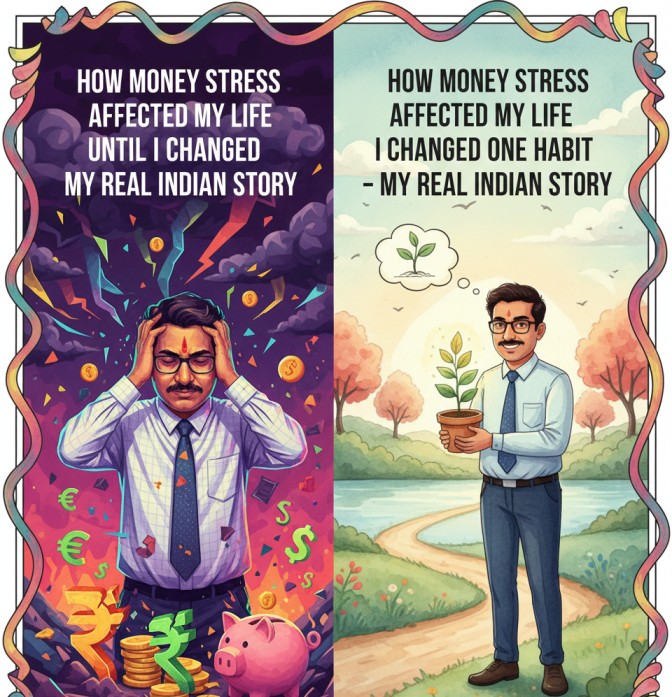
🔥 Strong Intro (No Questions)
Money stress silently damages a person’s life—sometimes more than we admit. It affects your sleep, confidence, relationships, decisions, and even your health. I’ve lived through it. I’ve felt the tension of checking my bank balance with fear. I’ve felt the embarrassment of being unable to manage expenses, even with a good income. I’ve felt guilt every time I overspent or fell behind on savings.
But everything changed the day I adopted one simple habit:
Daily expense tracking.
That single habit became the turning point that transformed my financial life, my confidence, and my peace of mind.
This is the real story of how money stress affected me—and how I escaped it.
⭐ Key Takeaways
- Money stress affects your mind more than your bank account.
- Small financial habits reduce 80% of anxiety.
- Daily expense tracking builds control and confidence.
- Clarity removes guilt and confusion.
- Anyone—from low-income to high-income—can use this habit.
If you’re starting your money journey, read:
How to Save ₹5000 Every Month Without Sacrifice
💔 1. How Money Stress Took Over My Life
Money stress didn’t hit me in one big moment.
It built slowly, month after month.
It showed up as:
- Fear of checking bank balance
- Avoiding conversations about money
- Overthinking small expenses
- Feeling embarrassed about financial mistakes
- Thinking “I earn enough… so why am I struggling?”
- Festival months becoming stressful instead of joyful
I felt like I was losing control of my own life.
And the sad part?
No one teaches us how to handle money emotionally.
💭 2. The Hidden Ways It Affected My Mental Health
Money stress is invisible but powerful.
It affected me deeply:
✔ Sleep
I would stay awake calculating expenses in my head.
✔ Mood
Small things irritated me easily.
✔ Health
Financial anxiety increased blood pressure and headaches.
✔ Relationships
I avoided meeting friends because I didn’t want to spend.
✔ Confidence
I felt unproductive and helpless.
✔ Work Life
Money stress followed me—even into office meetings.
This emotional burden pushed me to look for a long-term solution.
🧩 3. The Day I Realised “This Cannot Continue”
One normal evening, I opened my UPI statement just to “check something.”
Then I saw:
- ₹387
- ₹130
- ₹249
- ₹560
- ₹85
- ₹220
Dozens of small transactions.
Hundreds of rupees disappearing silently.
And I couldn’t answer one basic question:
“Where is my money going?”
That night, I promised myself:
“I will track every rupee I spend. No more guessing.”
🔄 4. The One Habit That Changed Everything
Daily Expense Tracking
(Just 5–10 minutes per day)
Not complicated.
Not tiring.
Not judgmental.
Simply writing:
- What I spent
- Why I spent
- Which category it belongs to
- How it affects my monthly plan
This one habit changed my entire financial life.
It is the foundation behind guides like:
50-30-20 Rule of Budgeting for Indians
🌱 5. What Happened After 30 Days of This Habit
The transformation was unbelievable.
✔ I stopped overspending
Because I became aware.
✔ I saved more
My savings increased without effort.
✔ My money stress reduced
Clarity reduced anxiety instantly.
✔ I felt confident
Finally, I was in control.
✔ I planned future goals properly
This helped me achieve major life goals later.
✔ Long-term financial achievements
Because of this habit, I was able to:
- Build my own house in Chennai
- Purchase a Hyundai i20
- Maintain a healthy, stable bank balance
- Support my family confidently
- Build long-term savings
- Live without money guilt
This habit changed everything.
📘 6. Five Real-Life Stories of Money Stress
These 5 true stories represent what many Indians feel.
Story 1: The Student Who Used Credit Cards Without Understanding Them
He overspent on food delivery and gadgets.
Debt piled up quietly.
Expense tracking helped him escape it.
Inspired by:
How Students Can Save Pocket Money Smartly
Story 2: A Newly Married Couple Fighting Over Small Expenses
They argued about “who spent what.”
Tracking together stopped the fights.
They later followed tips from:
How Couples Can Budget Without Fights
Story 3: A Middle-Class Family Shocked During Medical Emergency
Zero savings.
Stress + panic.
Expense tracking helped them later build a strong emergency fund.
Related guide:
Emergency Fund for Indian Households
Story 4: A High-Income Professional Who Always Felt Broke
Earned well.
Saved poorly.
No tracking.
Expense tracking brought awareness and confidence.
Story 5: The Shop Worker Who Wanted to Save ₹100 a Day
Small income.
Big dreams.
Tracking helped him save consistently.
Inspired by:
How to Save ₹100 Daily Without Sacrifice
🎯 7. Why This Habit Works for Indians
Expense tracking fits Indian lifestyles because:
- We use UPI heavily
- We have festival expenses
- We support family financially
- We handle unpredictable situations
- We live in a savings-based culture
- We spend in small amounts frequently
This habit gives:
- Control
- Awareness
- Peace
- Discipline
- Confidence
- Long-term success
⭐ 8. Editor’s Pick: The Most Helpful Guides
Here are the SaveWithRupee guides that perfectly support this article:
- How to Save ₹5000 Every Month Without Sacrifice
- 15 Daily Money Hacks to Save ₹10,000 This Year
- How to Build Wealth Slowly in India
- Best Free Budgeting Apps in India
These guides reinforce the transformation described in this article.
👨👩👦 9. Who Will Benefit From This Article
This article helps:
- Students
- Young professionals
- Middle-class families
- Couples
- Low-income earners
- People with high income but zero savings
- Anyone who feels scared or confused about money
- Anyone who wants control over their spending
Expense tracking is for every Indian, regardless of income level.
📌 10. Practical Steps You Can Start Today
- Track expenses for 3 days
- Then 7 days
- Then make it a habit
- Categorise your UPI spending
- Review your expenses every Sunday
- Start a small SIP
- Build a mini emergency fund
- Reduce emotional spending
- Build clarity month by month
This simple routine can transform your life.
❓ 11. FAQs
1. How long before money stress reduces?
Usually 2–4 weeks of consistent tracking.
2. Do I need an app?
Not necessary. A notebook or sheet works.
3. Does this habit help low-income earners?
Yes—more awareness helps better decisions.
4. What if I forget to track for a day?
Start again. Consistency matters more than perfection.
🧩 Final Summary
Money stress controlled my life for years.
It affected my sleep, relationships, confidence, and peace.
But everything changed the day I started tracking my expenses.
This single habit transformed my:
- Financial clarity
- Savings discipline
- Confidence
- Life goals
- Emotional strength
It helped me build my own house in Chennai, buy a Hyundai i20, and maintain a good bank balance—all through consistent, simple tracking.
If you feel confused or stressed about money today, remember:
**Your transformation begins with one small habit.
Track your expenses.
Clarity will follow.
Author Insight
In my own experience managing monthly expenses in India, I realized that the biggest financial problems were not due to low income, but due to lack of planning. For example, when my monthly income was around ₹25,000, I often ended up spending almost everything without saving anything at the end of the month.”
“I started tracking my expenses daily using a simple notebook. Within one month, I noticed that small, unnecessary expenses like frequent online orders and unplanned spending were taking a large portion of my income.”
“By making small changes—like setting a fixed budget for groceries, limiting online purchases, and saving at least ₹2,000 at the beginning of each month—I was able to reduce financial stress and slowly build better control over my money.” “These are simple and practical methods that any Indian household can follow without needing complex financial knowledge.”
Research Sources
- Reserve Bank of India – Financial Reports
- SEBI Investor Education
- Economic Times – Personal Finance
- Investopedia – Budgeting & Finance Basics
Disclaimer: This article is based on personal experience and is for educational purposes only. It does not constitute financial, investment, or legal advice. Readers are advised to do their own research or consult a qualified professional before making any financial decisions.