
Introduction
For most salaried Indians, income is predictable. Salary arrives on the same date every month. But expenses rarely behave the same way.
Some months are smooth. In other months, unexpected costs suddenly appear — school fees, medical bills, festivals, family functions, vehicle repairs, or even simple things like rising grocery prices.
This mismatch between fixed income and unpredictable expenses is one of the biggest financial challenges faced by middle-class Indian families.
Many people assume the solution is simply earning more. But in reality, better money management often matters more than higher income.
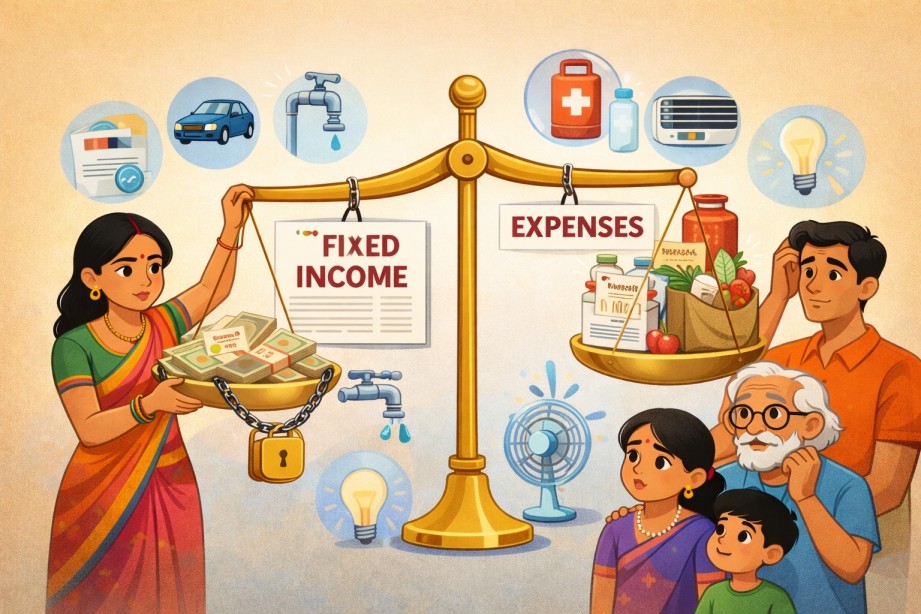
When income stays the same but expenses keep changing, the key is building a flexible system that can absorb shocks without destroying your savings.
In this article, we will explore:
- Why expenses fluctuate in Indian households
- Practical strategies to manage money with fixed income
- A step-by-step method to create a flexible budget
- Real-life examples from Indian families
- Common financial mistakes to avoid
If you’ve ever wondered why your monthly salary suddenly feels insufficient, this guide will help you create a practical plan.
Personal Experience
“For years I thought my salary was the problem. But when I started writing down every expense, I realised the real issue was unpredictable spending. Once I created a simple budget buffer, my finances became far less stressful.”
Understanding the Challenge: Fixed Income vs Variable Expenses
A salaried employee in India usually receives a stable monthly income. But expenses often fall into two categories:
1. Fixed Expenses
These are predictable every month.
Examples:
- Rent or home loan EMI
- School fees
- Electricity and internet
- Mobile recharge
- Insurance premiums
These expenses are easier to plan.
2. Variable Expenses
These change frequently and often surprise families.
Examples:
- Medical emergencies
- Festivals and celebrations
- Travel expenses
- Vehicle maintenance
- Unexpected social obligations
These unpredictable expenses are where most budgets collapse.
To manage this situation effectively, you must separate and control these two categories.
Why Many Indian Families Struggle With Variable Expenses
Several cultural and lifestyle factors make financial planning difficult.
1. Festival Spending
India has many festivals:
- Diwali
- Pongal
- Navratri
- Weddings and family functions
These events often involve unplanned spending.
2. Social Obligations
Indian culture values community relationships.
Expenses may include:
- Gifts
- Donations
- Family celebrations
These costs are rarely included in monthly budgets.
3. Inflation and Price Fluctuations
Prices of groceries, fuel, and utilities regularly change.
According to RBI data, inflation can significantly affect household spending patterns.
4. Lack of Financial Planning
Many households operate without structured budgeting.
You can build a stronger system by following proper personal finance planning.
Learn more in our guide on personal finance planning at https://savewithrupee.com/the-only-money-system-an-indian-family-needs-simple-sustainable-stress-free/
Key Benefits of Managing Variable Expenses Properly
Creating a flexible money system offers several advantages.
Better Financial Stability
Unexpected expenses will not destroy your monthly budget.
Reduced Financial Stress
Knowing that you have a buffer reduces anxiety.
Consistent Savings
Even when expenses fluctuate, savings remain protected.
Long-Term Financial Growth
Once spending is controlled, you can start investing slowly.
Step-by-Step Guide to Managing Money With Fixed Income
Here is a practical system that works well for most Indian households.
Step 1: Track All Expenses for One Month
Before changing anything, observe your current spending.
Record:
- Groceries
- Transport
- Online purchases
- Food delivery
- Medical expenses
This reveals spending patterns.
Many families are surprised to discover hidden expenses they never noticed.
If you want to understand spending leaks better, read this article:
Learn more in our guide on saving money tips at https://savewithrupee.com/where-most-indian-households-lose-money-without-realising-hidden-leaks-explained/
Step 2: Divide Expenses Into Three Categories
A simple system works best.
Category 1: Fixed Expenses
Example:
- Rent
- EMI
- School fees
Category 2: Variable Essential Expenses
Example:
- Groceries
- Fuel
- Utilities
Category 3: Lifestyle Expenses
Example:
- Eating out
- Shopping
- Entertainment
This separation helps you identify where adjustments are possible.
Step 3: Create a “Monthly Buffer Fund”
A buffer fund protects your budget from variable expenses.
Example:
Monthly salary: ₹40,000
| Category | Amount |
|---|---|
| Fixed expenses | ₹20,000 |
| Variable expenses | ₹12,000 |
| Buffer fund | ₹4,000 |
| Savings | ₹4,000 |
This ₹4,000 buffer handles surprises without touching savings.
Step 4: Plan for Annual Expenses
Many expenses occur only once or twice per year.
Examples:
- Insurance premiums
- School admissions
- Festivals
- Vehicle servicing
Divide these costs across 12 months.
Example:
Annual festival spending = ₹12,000
Monthly allocation = ₹1000
This prevents sudden financial pressure.
Step 5: Use Weekly Spending Limits
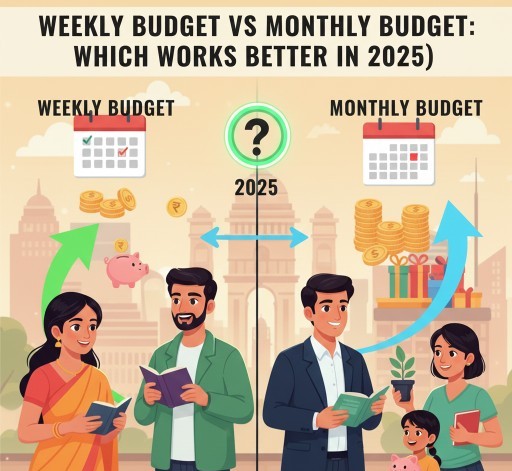
Instead of managing money monthly, divide it weekly.
Example:
Variable expenses = ₹12,000
Weekly limit = ₹3000
This prevents overspending early in the month.
You can also explore detailed budgeting systems here:
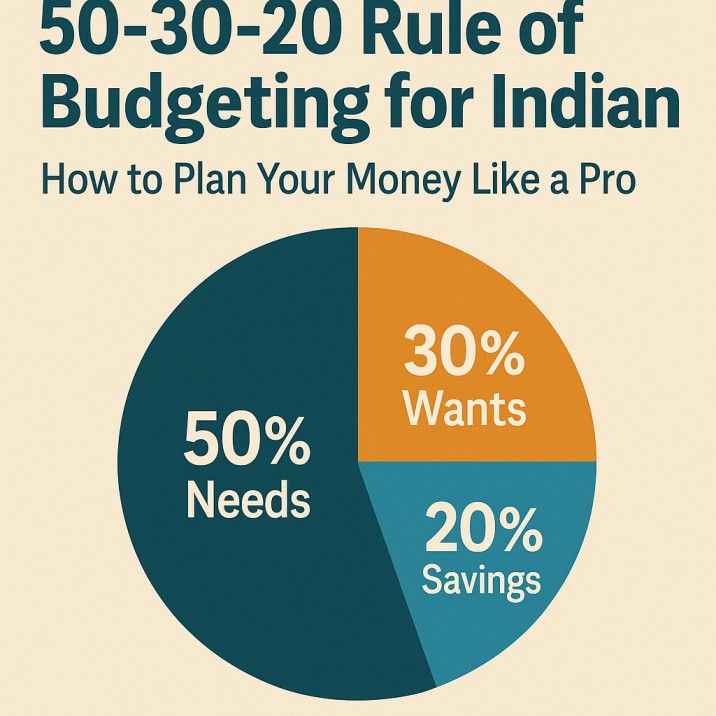
Learn more in our guide on monthly budgeting guide at https://savewithrupee.com/50-30-20-rule-of-budgeting-for-indians-in-2025-how-to-plan-your-money-like-a-pro/
Step 6: Automate Savings First
Savings should not depend on leftover money.
Instead, save immediately when salary arrives.
Examples:
- SIP investment
- Recurring deposit
- Emergency fund contribution
If you’re starting with investments, read:
Learn more in our guide on best investment options in India at https://savewithrupee.com/sip-for-beginners-start-with-₹500/
Comparison of Money Management Methods
| Feature | Traditional Budget | Flexible Budget | Envelope Method |
|---|---|---|---|
| Handles variable expenses | Poor | Good | Excellent |
| Easy for beginners | Medium | Easy | Very easy |
| Requires apps | Sometimes | Optional | No |
| Best for Indian families | Medium | High | High |
Most families benefit from flexible budgeting combined with envelope spending.
Real-Life Example: A ₹35,000 Salary Household
Consider the example of Priya, a school teacher in Chennai.
Before Budget Planning
Her monthly spending looked like this:
| Expense | Amount |
|---|---|
| Rent | ₹9000 |
| Groceries | ₹7000 |
| Transport | ₹3000 |
| Random spending | ₹9000 |
| Savings | ₹0–₹1000 |
Every few months, unexpected expenses forced her to borrow money.
After Budget System
She created a buffer system.
| Category | Amount |
|---|---|
| Fixed expenses | ₹19,000 |
| Variable expenses | ₹10,000 |
| Buffer | ₹3000 |
| Savings | ₹3000 |
Within a year, she built ₹36,000 emergency savings.
Small planning created huge financial relief.
Common Mistakes When Managing Variable Expenses
Avoid these errors.
Ignoring Small Expenses
Food delivery, subscriptions, and online shopping quietly increase spending.
Not Planning for Festivals
Festival costs often damage budgets.
Using Credit Cards for Emergencies
Credit cards should not replace emergency funds.
Saving Only What Is Left
Savings should be planned first.
Not Tracking Money
Untracked spending leads to financial confusion.
Expert Tips for Better Money Control
Build an Emergency Fund
Every Indian family should keep at least 3–6 months of expenses saved.
Learn more in our guide on emergency fund guide at
https://savewithrupee.com/emergency-fund-for-indian-families-how-much-you-really-need-where-to-keep-it-savewithrupee/
Reduce Lifestyle Inflation
When income increases, expenses often rise too.
Maintain the same lifestyle while increasing savings.
Create Small Side Income
Even an additional ₹3000–₹5000 monthly can significantly improve financial stability.
Explore ideas here:
Learn more in our guide on passive income ideas at https://savewithrupee.com/passive-income-ideas-in-india-2025-12-real-ways-to-earn-while-you-sleep/
Track Spending Weekly
Weekly review keeps your budget on track.
Pros and Cons of Flexible Budgeting
| Pros | Cons |
|---|---|
| Handles unpredictable expenses | Requires regular monitoring |
| Reduces financial stress | Needs discipline |
| Protects savings | Takes time to master |
| Improves financial awareness | Initial setup required |
Frequently Asked Questions
1. What is the biggest challenge with fixed income?
Unpredictable expenses such as medical costs, repairs, or festival spending.
2. How much buffer should I keep monthly?
Ideally 10% of your income.
3. Is budgeting necessary if my salary is small?
Yes. Budgeting is even more important for smaller incomes.
4. Should I save or pay expenses first?
Always save first.
5. How much should Indians ideally save monthly?
Experts recommend 20% savings, but even 5–10% is a good start.
6. What if unexpected expenses exceed my buffer?
Use your emergency fund, not credit cards.
7. How long does it take to see financial improvement?
Most people see improvement within 3–4 months of consistent budgeting.
Conclusion
Managing money when income is fixed but expenses are unpredictable is a reality for most Indian households.
The goal is not to eliminate variable expenses — that is impossible.
Instead, the solution is building a flexible financial system that includes:
- Clear expense tracking
- A monthly buffer fund
- Planned savings
- Emergency reserves
Once these systems are in place, unexpected expenses become manageable rather than stressful.
Financial stability does not come from earning the highest salary. It comes from managing the money you already have wisely.
Start small. Track your expenses. Create a buffer. Save consistently.
Over time, these habits will transform your financial life.
References
Reserve Bank of India Household Finance Reports
https://www.rbi.org.in
Securities and Exchange Board of India – Investor Education
https://www.sebi.gov.in
Economic Times – Personal Finance Section
https://economictimes.indiatimes.com/wealth
Investopedia – Budgeting Basics
https://www.investopedia.com/budgeting-4689745
Personal Experience
“Over the years, I’ve noticed that most financial problems don’t come from low income, but from lack of planning and awareness. Even small changes in spending habits can make a big difference.”
“In my own journey, tracking expenses and following a simple budget helped me reduce stress and gain better control over money. These are practical lessons any Indian household can apply.”
References
- Reserve Bank of India – Financial Reports
- SEBI Investor Education
- Economic Times – Personal Finance
- Investopedia – Budgeting & Finance Basics
Disclaimer: This article is based on personal experience and is for educational purposes only. It does not constitute financial, investment, or legal advice. Readers are advised to do their own research or consult a qualified professional before making any financial decisions.