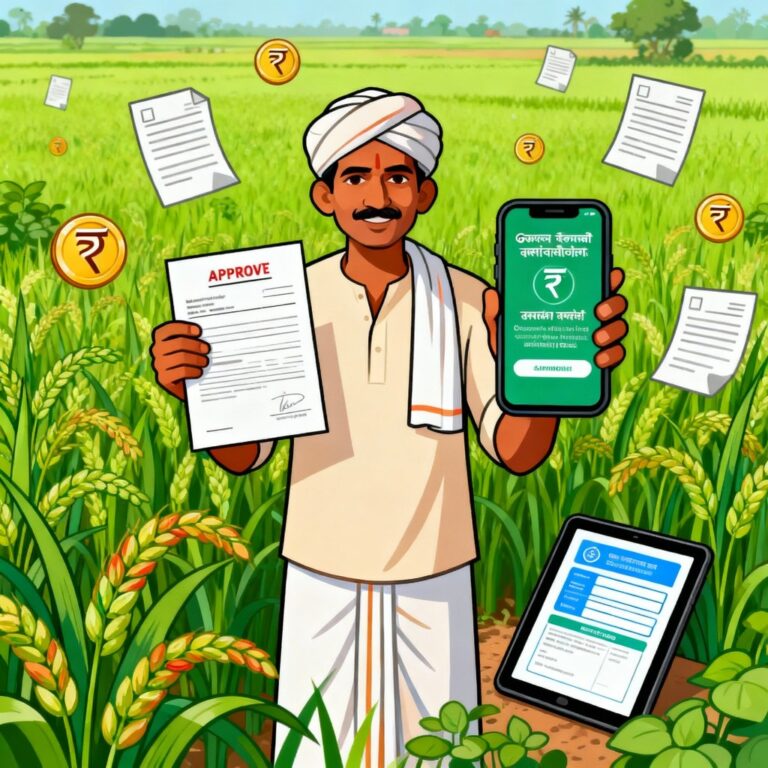

A complete 2025 & 2026 guide to senior citizen pension schemes across all Indian states. Monthly benefits, eligibility, documents, and simple application steps for every state & union territory.
Senior Citizen Pension Schemes in India 2025 & 2026
State-Wise Monthly Pension, Eligibility & How to Apply
For many senior citizens in India, retirement does not mean rest.
It often means worrying about monthly expenses, medicines, rent, and rising prices—with little or no regular income.
That’s exactly why government pension schemes for senior citizens matter so much.
In 2025 and 2026, both the Central Government and State Governments continue to offer monthly pension schemes for elderly citizens, especially for those:
- Without formal retirement benefits
- From low-income or unorganised backgrounds
- Living alone or dependent on family
This article explains senior citizen pension schemes in India, with a state-wise overview, eligibility rules, and practical guidance—without legal jargon or confusion.
Why Senior Citizen Pension Schemes Are Crucial in India
Unlike many developed countries, most Indians:
- Do not receive employer pensions
- Worked in informal or daily-wage jobs
- Have limited savings
A ₹500–₹2,000 monthly pension may look small, but for many elders it pays for:
- Medicines
- Groceries
- Electricity bills
- Basic dignity and independence
These schemes are not charity.
They are social security rights.
Central Government Pension Schemes for Senior Citizens
Before looking at state-wise schemes, let’s understand the national-level pensions available across India.
1. Indira Gandhi National Old Age Pension Scheme (IGNOAPS)
This is the most widely available central pension scheme.
Eligibility:
- Age: 60 years and above
- Belongs to Below Poverty Line (BPL) category
Monthly Pension (Central Share):
- ₹200 per month (age 60–79)
- ₹500 per month (age 80+)
👉 States usually add their own amount on top of this.
2. National Social Assistance Programme (NSAP)
IGNOAPS operates under NSAP, which also covers:
- Widows
- Disabled persons
Most senior citizen pensions you hear about at the state level are linked to NSAP, with higher state contributions.
State-Wise Senior Citizen Pension Schemes (2025 & 2026)
Below is a practical overview of major states. Amounts may vary slightly by district or updates, but this gives a reliable picture.
Tamil Nadu
Scheme: Old Age Pension Scheme (OAP)
Eligibility:
- Age 60+
- Resident of Tamil Nadu
- No adequate income source
Monthly Pension:
- ₹1,000 per month
- ₹1,500 for elders aged 80+
Tamil Nadu has one of the most consistent pension disbursement systems.
Kerala
Scheme: Social Security Pension for Senior Citizens
Eligibility:
- Age 60+
- Annual income below state-specified limit
Monthly Pension:
- ₹1,600 per month
Kerala offers one of the highest old-age pensions in India.
Karnataka
Scheme: Sandhya Suraksha Yojana
Eligibility:
- Age 65+
- Income below threshold
- No other pension benefits
Monthly Pension:
- ₹1,200 per month
Maharashtra
Scheme: Sanjay Gandhi Niradhar Anudan Yojana
Eligibility:
- Age 65+
- Family income below limit
Monthly Pension:
- ₹600–₹1,000 (varies by category and district)
Uttar Pradesh
Scheme: Vridhavastha Pension Yojana
Eligibility:
- Age 60+
- Income below ₹46,080 (approx., subject to updates)
Monthly Pension:
- ₹1,000 per month
Rajasthan
Scheme: Mukhyamantri Vridhjan Samman Pension Yojana
Eligibility:
- Age 60+ (women), 65+ (men)
- Low income
Monthly Pension:
- ₹1,000–₹1,500
West Bengal
Scheme: Jai Bangla Pension Scheme
Eligibility:
- Age 60+
- Resident of West Bengal
Monthly Pension:
- ₹1,000 per month
Andhra Pradesh
Scheme: YSR Pension Kanuka
Eligibility:
- Age 60+
- Rural/urban income limits apply
Monthly Pension:
- ₹2,250 per month
One of the highest state pensions in India.
Telangana
Scheme: Aasara Pension Scheme
Eligibility:
- Age 65+
- Income and landholding limits
Monthly Pension:
- ₹2,016 per month
How to Apply for Senior Citizen Pension Schemes
The process is simpler than most people think.
Common Documents Required
- Aadhaar card
- Age proof
- Income certificate
- Residence proof
- Bank or post office account details
Where to Apply
- Panchayat office (rural)
- Municipality / Corporation office (urban)
- Online state portals (in many states)
Family members can help elders apply—it does not require agents.
Common Reasons Applications Get Rejected
- Income certificate not updated
- Aadhaar not linked to bank account
- Existing pension already received
- Incomplete documents
Always ask for written reason if rejected and reapply after correction.
How Senior Citizens Can Supplement Pension Income Safely
Pension alone may not be enough. Many seniors also use:
- Post office savings schemes
- Fixed deposits
- Small interest-earning options
This guide on senior citizen pension scheme India – monthly benefits & eligibility explains safe supplementary options.
Importance of Emergency Planning for Elderly Households
Medical expenses are unpredictable.
Even small emergency savings make a big difference, as explained in emergency fund – how much an Indian household should keep.
How Families Can Support Elderly Parents Financially
Families should:
- Help track pension payments
- Ensure bank accounts remain active
- Review eligibility annually
- Avoid pension interruptions
Good financial planning across generations reduces stress, as discussed in why family budget planning is important.
Additional Safe Savings Options for Seniors
For elders who can save small amounts, government-backed options are safer than private schemes.
This overview of best low-cost saving schemes in India for beginners includes senior-friendly choices.
FAQs
1. Can a senior citizen receive both central and state pension?
Yes. Most state pensions include the central share plus state contribution.
2. Is Aadhaar mandatory for pension schemes?
Yes, Aadhaar is required in most states for verification and payments.
3. How often is pension paid?
Usually monthly, directly into bank or post office accounts.
4. Can pension be stopped?
Yes, if income criteria change or documents are not updated.
5. Can bedridden or disabled seniors apply?
Yes. Family members can apply on their behalf with proper documents.
Final Thoughts
Senior citizen pension schemes in India are not perfect, but they are lifelines for millions.
In 2025 and 2026, awareness matters more than ever:
- Many eligible elders never apply
- Many families don’t know state benefits
- Many pensions go unused due to paperwork fear
Helping one senior citizen apply for a pension can change their daily life.
This is not just financial planning.
It’s respect, dignity, and responsibility.
Author Insight
In my own experience managing monthly expenses in India, I realized that the biggest financial problems were not due to low income, but due to lack of planning. For example, when my monthly income was around ₹25,000, I often ended up spending almost everything without saving anything at the end of the month.”
“I started tracking my expenses daily using a simple notebook. Within one month, I noticed that small, unnecessary expenses like frequent online orders and unplanned spending were taking a large portion of my income.”
“By making small changes—like setting a fixed budget for groceries, limiting online purchases, and saving at least ₹2,000 at the beginning of each month—I was able to reduce financial stress and slowly build better control over my money.” “These are simple and practical methods that any Indian household can follow without needing complex financial knowledge.”
Research Sources
- Reserve Bank of India – Financial Reports
- SEBI Investor Education
- Economic Times – Personal Finance
- Investopedia – Budgeting & Finance Basics
Disclaimer: This article is based on personal experience and is for educational purposes only. It does not constitute financial, investment, or legal advice. Readers are advised to do their own research or consult a qualified professional before making any financial decisions.