
Introduction
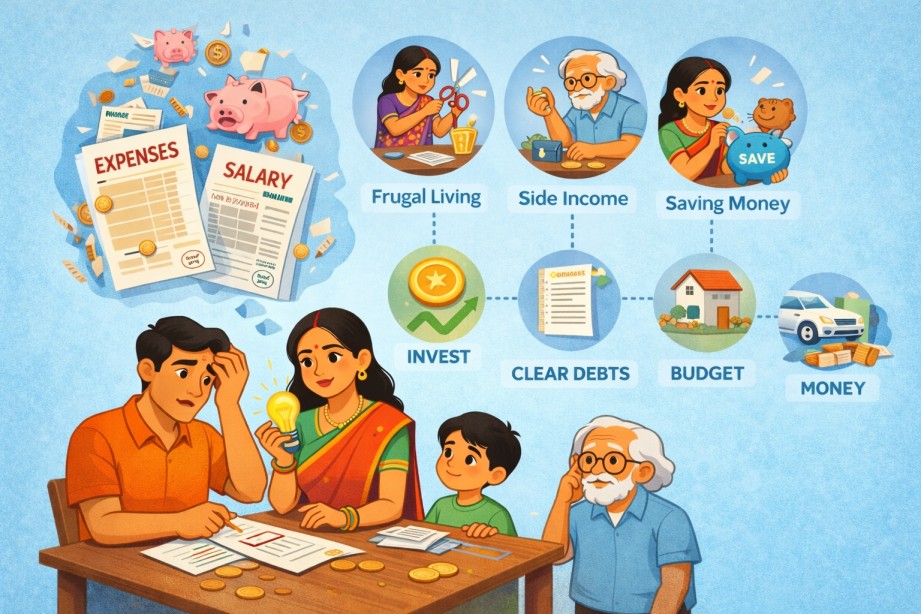
For many Indian households, one uncomfortable reality repeats every month: expenses cross salary before the month ends.
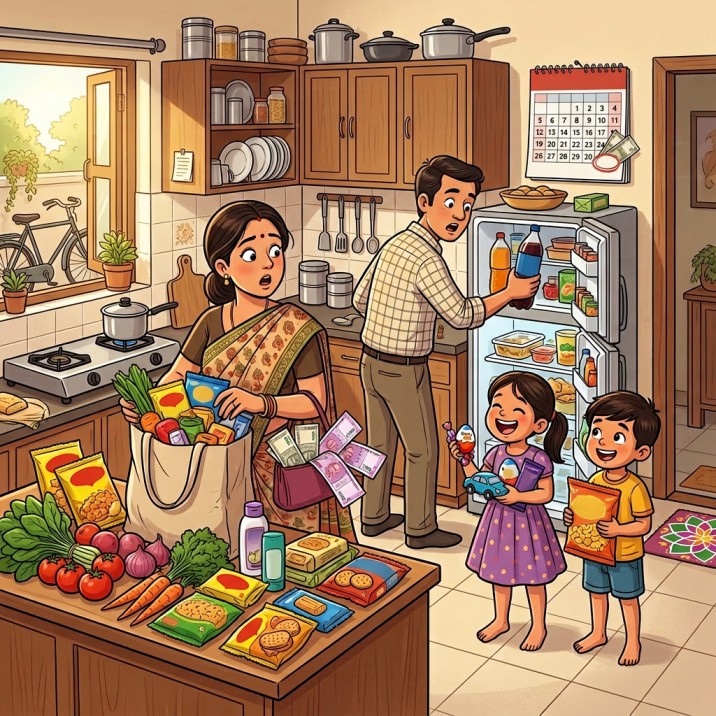
You start the month with a clear plan. Salary arrives, bills are paid, groceries are bought, and then slowly small expenses begin to appear. A family function, a medical bill, an online order, or rising fuel costs — suddenly the balance in your bank account becomes worryingly low.
This situation is extremely common among salaried Indians. Even people earning ₹30,000, ₹50,000, or ₹1 lakh often experience the same financial stress.
The truth is that when expenses consistently exceed income, the problem usually lies in a combination of lifestyle habits, lack of structured budgeting, and unpredictable spending.
But the solution is not always earning more money immediately. In many cases, better financial planning and expense management can solve the problem faster than a salary increase.
In this article, we will explore practical Indian solutions for handling situations where monthly expenses cross salary. You will learn how to regain control of your finances, reduce financial stress, and slowly build financial stability.
Personal Experience
“There was a time when my salary finished by the 20th of every month. I kept blaming my income, but when I tracked my expenses honestly, I realised small daily spending was quietly draining my money.”
“Once I created a simple spending plan and started saving even a small amount first, the situation slowly improved. The difference wasn’t income — it was awareness.”
Understanding Why Expenses Cross Salary
Before solving the problem, it is important to understand why it happens.
Most Indian households experience this issue due to a combination of the following factors.
Rising Cost of Living
Inflation affects everyday spending.
Common expenses increasing every year include:
- Rent
- Groceries
- Fuel
- School fees
- Electricity bills
Even if salary increases slightly, rising prices often cancel out that benefit.
Hidden Monthly Expenses
Many small expenses slowly add up.
Examples include:
- Food delivery apps
- Online subscriptions
- Frequent online shopping
- Coffee or snacks outside
- Digital services
These expenses often go unnoticed until the bank balance drops.
You can learn more about these spending leaks here:
Learn more in our guide on saving money tips at
https://savewithrupee.com/where-most-indian-households-lose-money-without-realising-hidden-leaks-explained/
No Clear Budget Plan
Many Indians manage money mentally instead of using a structured system.
Without a budget:
Salary → Bills → Random spending → Financial stress.
A clear system changes this pattern.
For better structure, explore our guide on personal finance planning:
https://savewithrupee.com/the-only-money-system-an-indian-family-needs-simple-sustainable-stress-free/
Warning Signs That Expenses Are Out of Control
If any of these signs appear regularly, it means spending needs attention.
- Credit card bills increasing every month
- Borrowing money before salary arrives
- Zero savings despite steady income
- Bank balance reaching near zero before month-end
- Using personal loans to cover daily expenses
Ignoring these signals can lead to serious financial problems over time.
Key Benefits of Fixing This Problem Early
Managing expenses before they spiral out of control has several advantages.
Financial Stability
You avoid constant stress about money.
Ability to Save
Even small savings can grow over time.
Reduced Debt
Lower dependence on credit cards or loans.
Better Financial Planning
Once spending is controlled, you can start investing.
Step-by-Step Solutions When Expenses Cross Salary
Let’s look at practical solutions that work well for Indian households.
Step 1: Track Every Expense for 30 Days
Most people underestimate how much they spend.
For one month, record every expense:
- Groceries
- Transport
- Online purchases
- Entertainment
- Food delivery
Even ₹100 or ₹200 purchases should be written down.
This simple step often reveals surprising spending patterns.
Step 2: Divide Expenses into Three Categories
Separating expenses helps identify where to cut costs.
Essential Expenses
These cannot be avoided.
Examples:
- Rent or EMI
- Groceries
- Utilities
- School fees
Important but Flexible Expenses
Examples:
- Transport
- Mobile recharge
- Household purchases
Lifestyle Expenses
These are optional.
Examples:
- Online shopping
- Restaurants
- Entertainment
- Premium subscriptions
Lifestyle expenses are usually the easiest place to reduce spending.
Step 3: Apply the Practical Indian Budget Rule
The popular budgeting rule is 50-30-20, but many Indian families need a modified version.
| Category | Percentage | Example (₹40,000 salary) |
|---|---|---|
| Needs | 60% | ₹24,000 |
| Wants | 20% | ₹8,000 |
| Savings | 20% | ₹8,000 |
If saving 20% feels difficult, start with 5–10% savings.
Learn more about this budgeting method here:
Learn more in our guide on monthly budgeting guide at
https://savewithrupee.com/50-30-20-rule-of-budgeting-for-indians-in-2025-how-to-plan-your-money-like-a-pro/
Step 4: Create a Monthly Buffer
A buffer protects your budget from unexpected expenses.
Example:
Monthly salary: ₹40,000
| Category | Amount |
|---|---|
| Essentials | ₹24,000 |
| Lifestyle | ₹8,000 |
| Buffer | ₹4,000 |
| Savings | ₹4,000 |
The buffer fund covers unexpected costs without touching savings.
Step 5: Reduce the Biggest Expense First
Instead of cutting many small expenses, focus on large ones.
Common areas where Indians can reduce costs include:
- Rent
- Transport
- Grocery spending
- Food delivery
For example:
Cooking at home more often can save thousands each month.
Step 6: Build an Emergency Fund
An emergency fund prevents financial shocks.
Experts recommend saving 3 to 6 months of expenses.
If that feels difficult, start with small amounts.
Learn how to build one here:
Learn more in our guide on emergency fund guide at
https://savewithrupee.com/emergency-fund-for-indian-families-how-much-you-really-need-where-to-keep-it-savewithrupee/
Step 7: Increase Income Slowly
Expense control alone may not solve everything.
Increasing income can improve financial stability.
Common side income ideas include:
- Freelancing
- Tuition
- Online work
- Selling products online
Explore more options here:
Learn more in our guide on passive income ideas at
https://savewithrupee.com/passive-income-ideas-in-india-2025-12-real-ways-to-earn-while-you-sleep/
Comparison of Money Management Methods
| Feature | Traditional Budget | Flexible Budget | Envelope Method |
|---|---|---|---|
| Easy to follow | Medium | Easy | Very easy |
| Controls overspending | Medium | High | High |
| Works for beginners | Limited | Good | Excellent |
| Best for variable expenses | No | Yes | Yes |
The envelope method works especially well for households struggling with overspending.
Real-Life Example: A ₹30,000 Salary Household
Consider the case of Ramesh, a private employee in Bangalore.
Before Budgeting
| Expense | Amount |
|---|---|
| Rent | ₹9000 |
| Groceries | ₹6000 |
| Transport | ₹3500 |
| Random spending | ₹9000 |
| Savings | ₹0 |
He regularly borrowed money before salary day.
After Budgeting
He created a structured plan.
| Category | Amount |
|---|---|
| Essentials | ₹18,000 |
| Lifestyle | ₹6000 |
| Buffer | ₹3000 |
| Savings | ₹3000 |
Within one year, he built ₹36,000 in savings.
Common Mistakes Indians Make
Avoid these mistakes if your expenses are crossing salary.
Ignoring Small Expenses
Daily spending leaks quietly drain money.
Not Tracking Spending
Without tracking, budgeting becomes guesswork.
Saving Only After Spending
Savings must come first.
Using Credit Cards for Daily Expenses
Credit cards should be used carefully.
Trying Extreme Budgeting
Cutting all enjoyment makes budgeting unsustainable.
Expert Tips to Control Expenses
Review Spending Weekly
Weekly reviews help prevent overspending.
Use Cash for Daily Expenses
Cash spending often reduces impulsive purchases.
Avoid Lifestyle Inflation
When salary increases, maintain the same lifestyle for some time.
Plan Festival Spending
Festivals often disrupt budgets.
Planning early helps manage these costs.
Pros and Cons of Strict Budgeting
| Pros | Cons |
|---|---|
| Improves financial discipline | Requires effort |
| Reduces money stress | Needs consistency |
| Builds savings over time | Can feel restrictive initially |
| Prevents debt accumulation | Requires expense tracking |
Frequently Asked Questions
1. Why do my expenses exceed my salary every month?
Usually due to untracked spending, lifestyle inflation, or unexpected expenses.
2. How can I quickly reduce expenses?
Start by identifying your three biggest monthly expenses and reduce them first.
3. Should I stop all entertainment spending?
No. A small entertainment budget helps maintain balance.
4. Is budgeting necessary for small salaries?
Yes. Budgeting is even more important when income is limited.
5. How much should Indians ideally save monthly?
Experts recommend saving 20% of income, but even 5–10% is a good start.
6. How long does it take to fix spending habits?
Most people notice improvement within 2–3 months of tracking expenses.
7. What is the first step to improve financial control?
Start tracking every expense for one month.
Conclusion
When expenses cross salary every month, financial stress can feel overwhelming. But the solution usually lies not in drastic measures but in consistent financial awareness and smarter planning.
By tracking expenses, creating a structured budget, reducing unnecessary spending, and building a small financial buffer, it becomes possible to regain control of your money.
Financial stability is not built overnight.
But with small improvements every month, your financial situation can change dramatically over time.
Start today — even a simple step like writing down your daily expenses can begin the journey toward financial control.
References
Reserve Bank of India – Financial Stability Reports
https://www.rbi.org.in
SEBI Investor Education Resources
https://www.sebi.gov.in
Economic Times – Personal Finance Section
https://economictimes.indiatimes.com/wealth
Investopedia – Budgeting Basics
https://www.investopedia.com/budgeting-4689745
Personal Experience
“Over the years, I’ve noticed that most financial problems don’t come from low income, but from lack of planning and awareness. Even small changes in spending habits can make a big difference.”
“In my own journey, tracking expenses and following a simple budget helped me reduce stress and gain better control over money. These are practical lessons any Indian household can apply.”
References
- Reserve Bank of India – Financial Reports
- SEBI Investor Education
- Economic Times – Personal Finance
- Investopedia – Budgeting & Finance Basics
Disclaimer: This article is based on personal experience and is for educational purposes only. It does not constitute financial, investment, or legal advice. Readers are advised to do their own research or consult a qualified professional before making any financial decisions.